
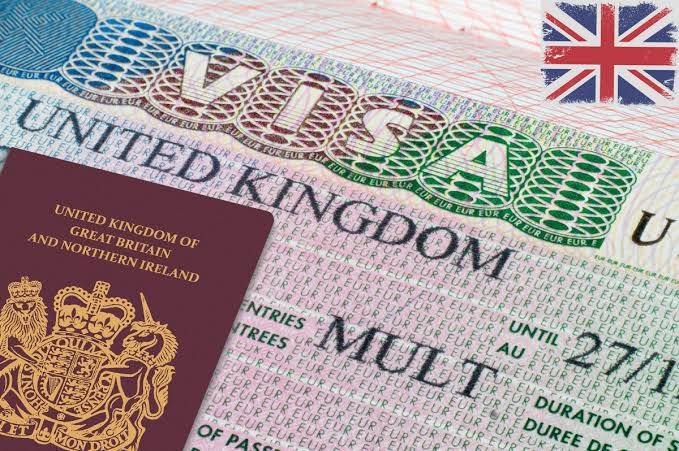
The United Kingdom on Monday warned that it may stop issuing visas to citizens of Angola, Namibia and the Democratic Republic of Congo if the three countries fail to accept the return of irregular migrants from the UK.
According to the Home Office, the threat follows what it described as poor cooperation from the countries in receiving their criminals and illegal immigrants, a development London says is slowing down its processing of deportation cases.

Expectations are high as Home Secretary Shabana Mahmood prepares to unveil fresh measures officials say will rank among the most far reaching immigration reforms introduced by any UK government in recent times.
Political pressure has continued to mount in the UK, with immigration emerging as a major campaign issue and fuelling support for the right leaning Reform UK party.
Attention has now shifted to the rising number of asylum seekers arriving in small boats through the English Channel, a trend the planned reforms seek to drastically reduce.
In its statement, the Home Office likened the restrictions to past international travel bans, saying the affected African countries were being punished for what it called unacceptably low cooperation and obstructive returns processes.
Clarifying the decision on Sky News, Home Office Minister Alex Norris said the three countries have one month to get this in order, warning that more nations could face similar consequences.
Another part of the plan includes the introduction of an emergency brake that would allow the UK to suspend visas for nationals of countries with high asylum claims even when such persons initially entered the UK legally.
Recent government figures show that while asylum applications have continued to rise, the number of first stage approvals dropped between 2023 and 2024, reflecting the UK’s tighter stance on immigration.
London has previously granted thousands of special visas to Ukrainians, Afghans and Hong Kong residents under humanitarian schemes, but the new proposals indicate a tougher direction for asylum seekers in general.
Inspired partly by Denmark’s strict asylum model, the UK reforms propose ending automatic benefits for asylum applicants and rolling back several existing protections for refugees.
Among the most controversial provisions is the plan to cut the duration of refugee status from five years to 30 months, a shift critics say will create instability for those seeking long term safety.
Under the proposal, refugee protections will undergo frequent reviews and individuals will be required to return to their home countries once the UK deems those places safe.
They will also face a significantly longer wait for permanent residency, 20 years instead of the current five, before becoming eligible to settle fully in the UK.
Labour MP Tony Vaughan faulted the reforms on the BBC’s Today programme, arguing that the UK should focus on helping refugees integrate rather than creating perpetual limbo and alienation which he said harms both migrants and society.
