
The Federal Government has announced that no fewer than 22,000 farmers across the country will benefit from interest-free loans under the FarmerMoni Dry and Wet Season Programme.
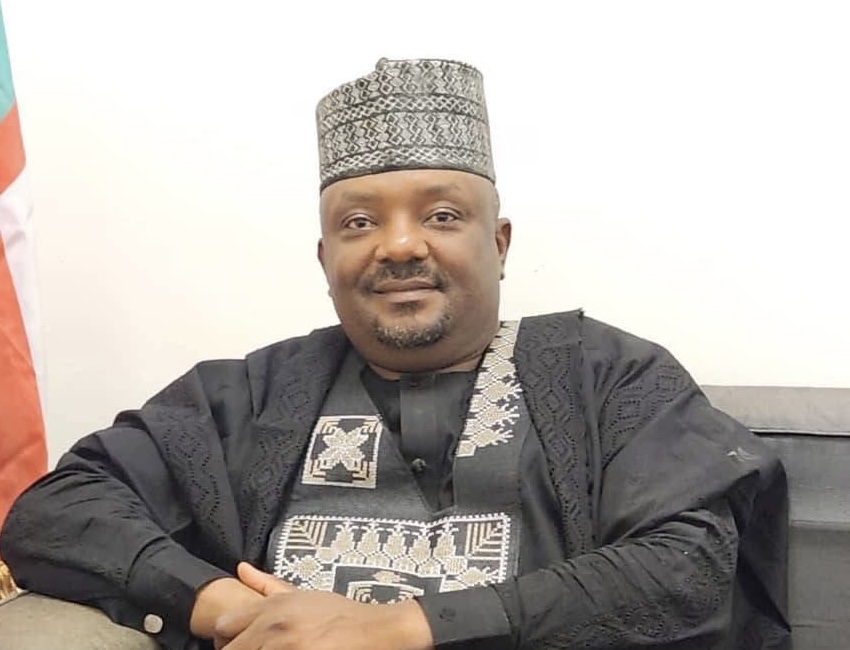
The National Programme Manager of the Government Enterprise and Empowerment Programme (GEEP) under the National Social Investment Programme Agency (NSIPA), Mr. Hamza Baba, disclosed this on Wednesday in Abuja during the inauguration of Renewed Hope GEEP 3.0 and the FarmerMoni Technical Working Group.

He explained that the loan scheme is both interest-free and collateral-free, with each qualified farmer eligible to access up to N300,000, depending on the scale of their farming activities.
According to Baba, the application portal has been opened for eligible farmers nationwide, adding that the programme is targeted at vulnerable and small-scale farmers already engaged in agricultural production.
To qualify, he stated that applicants must be Nigerian citizens aged 18 years and above, own or rent farmland, possess a valid bank account and National Identification Number (NIN), and belong to a recognised farming cooperative or association within their local government.
He further noted that the initiative covers all the 774 local government areas, with an average of 28 farmers expected to benefit from each council area in the current phase.
In addition, Baba said state programme managers, enumerators, partner banks, FinTech recovery agents and agricultural development projects would collaborate to ensure effective implementation in the 36 states and the Federal Capital Territory.
He added that TraderMoni, another scheme under GEEP 3.0, is designed to support artisans and petty traders with similar financial assistance.
Meanwhile, the Minister of Humanitarian Affairs and Poverty Reduction, Dr. Bernard Doro, described the unveiling of Renewed Hope GEEP 3.0 as a demonstration of the administration’s commitment to inclusive growth and poverty reduction.
The minister said the initiative aligns with President Bola Tinubu’s Renewed Hope Agenda, which focuses on inclusion, resilience and shared prosperity.
He stressed that the programme aims to expand economic opportunities for micro and small-scaleU entrepreneurs, informal sector operators and farmers by improving access to financial support.
Dr. Doro also stated that the FarmerMoni scheme would boost agricultural productivity across both planting seasons, reduce seasonal risks and strengthen national food security.
According to him, empowering farmers is both an economic necessity and a moral responsibility, as agriculture remains a key driver of rural development.
The initiative represents a significant step toward grassroots economic empowerment, and its success will largely depend on transparent implementation, proper monitoring and timely disbursement to genuinely deserving farmers and small-scale entrepreneurs.
