
… As NUJ Correspondents’ Chapel Holds Annual Lecture
By Samuel Sunday

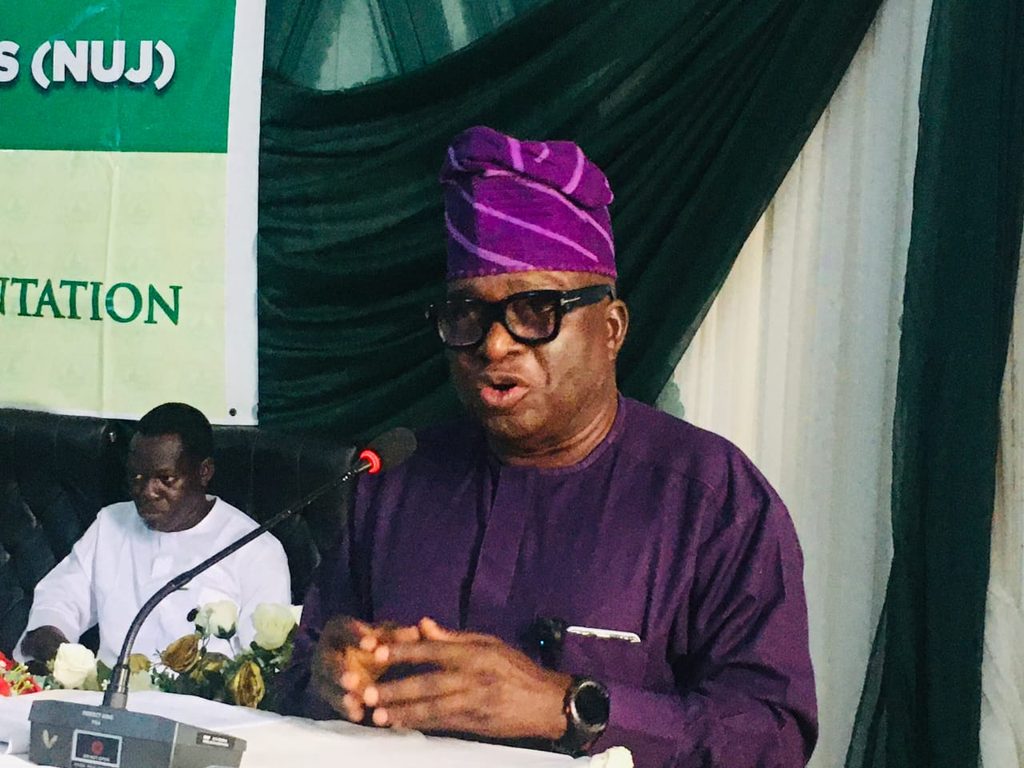
Former Senator Ayo Arise has called for urgent reforms in Nigeria’s political parties, stating that the strength and credibility of the country’s democracy will be determined by the quality of internal democratic practices within political parties and the caliber of candidates they produce.
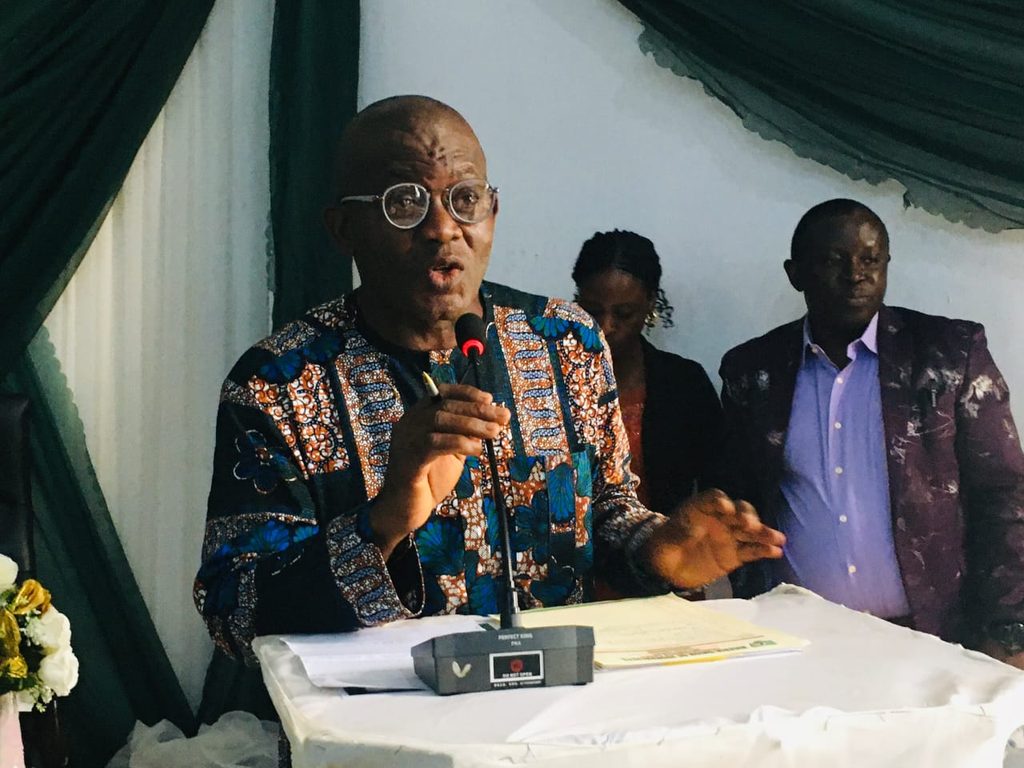
Senator Arise made the call on Thursday, while delivering a keynote lecture titled: “Internal Party Democracy: The Media and the Future of Nigerian Democracy” at the Correspondents’ Chapel Day organized by Ekiti State Chapter of the Chapel in Ado-Ekiti, the State capital.
The former lawmaker, who represented Ekiti North Senatorial District from 2007 to 2011, said there is a direct correlation between internal party democracy, the emergence of competent candidates, good governance, public trust, and the consolidation of Nigeria’s democratic institutions.
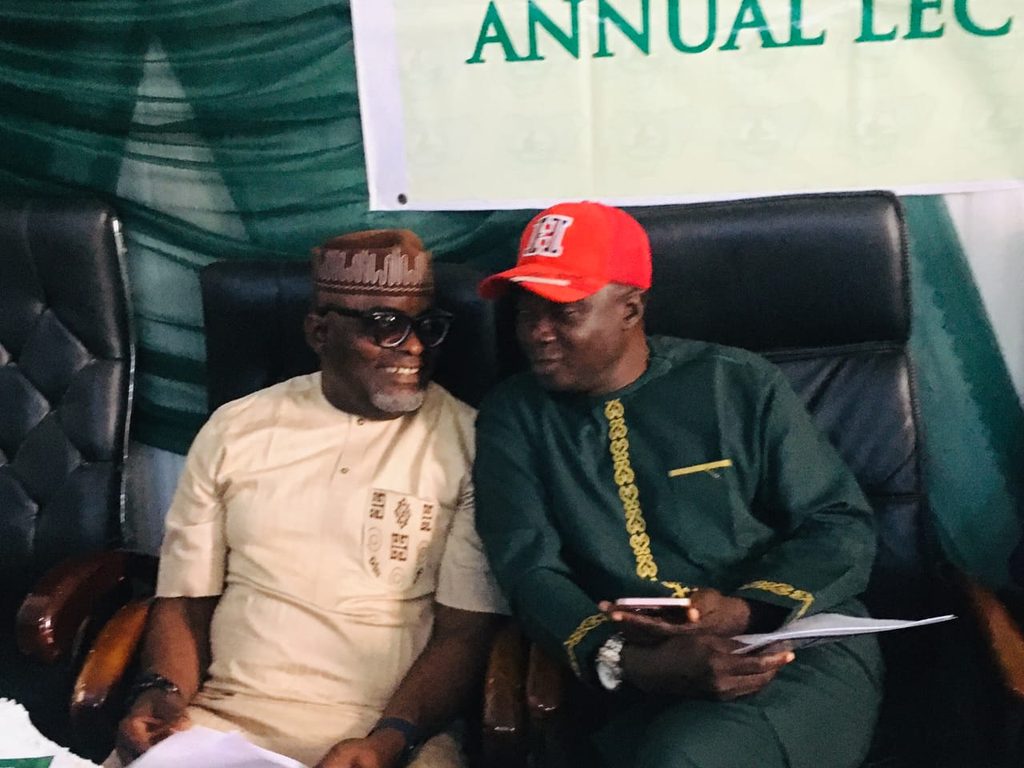
“Political parties remain the primary gateway to elective public office in Nigeria. Therefore, the process by which they recruit, select and manage candidates is critical to the future of our democracy,” he stated.
Senator Arise argued that party constitutions and guidelines must move beyond paper documentation to active implementation. He called for: Credible and regularly updated membership registers; Functional structures at ward, local government, state and national levels; and Transparent, competitive and issue-based primary elections.
He further urged political parties to deliberately open their doors to youths, women, persons lwith disabilities, professionals, academics and entrepreneurs to broaden participation and enrich policy development.

On party discipline, he noted: “A party without disagreement is not necessarily united. Sometimes it is simply silent. Healthy contestation of ideas strengthens democracy.”
Senator Arise cautioned against the perception that Nigeria’s democratic challenges are unique. He noted that even advanced democracies such as the United States, with over 250 years of democratic practice, continue to grapple with challenges to democratic principles.
He, therefore, charged Nigerians to see democracy as a continuous process of improvement, vigilance and participation*, rather than a system that guarantees perfection by default.
The former senator tasked the media with the responsibility of educating citizens on the realities and inevitability of challenges within democratic societies.
He described the media as a critical pillar of democracy by virtue of its role in informing the public, interrogating power, and providing platforms for civic discourse.
However, he warned journalists against being used as instruments of political manipulation. He urged practitioners to remain independent, professional, ethical and courageous, emphasizing that journalism must be about informing rather than misleading, investigating rather than persecuting, and holding power accountable without fear or favour.
Senator Arise submitted that the survival of Nigerian democracy cannot rest on politicians alone. He outlined a shared responsibility framework saying political parties must reform internal structures and uphold due process; Electoral institutions must continue to improve the credibility and efficiency of elections; Government must recognize that winning an election marks the beginning of service, not the end of political engagement; and that Citizens must participate actively by voting, demanding accountability, rejecting violence, refusing vote-selling, and sourcing information from credible platforms.
He recalled that the transition to civil rule in 1999 was achieved through the collective struggle of citizens, civil society, professionals and the media, and said that history should remind Nigerians that “democracy ultimately belongs to the people.”
The former lawmaker stressed that for democracy to have practical meaning, citizens must feel its impact in service delivery and see public institutions as their own. He warned against demanding good governance while engaging in practices that undermine it, such as vote-selling.
He concluded that despite its imperfections, democracy remains the most viable system of governance because it allows for adjustment, correction and citizen oversight. He said strict adherence to democratic principles and the rule of law remains critical to nation-building.
Representing Governor Biodun Oyebanji, the Senior Special Assistant on Print Media, Mr. Odunayo Ogunmola, commended the Correspondents’ Chapel for what he described as professional and responsible reportage during the 2026 Ekiti Governorship election. He described the poll as the most peaceful in the history of Ekiti State, and assured that government would continue to prioritize journalists’ welfare.

In his remarks, the Ekiti State Chairman of the NUJ, Comrade Kayode Babatuyi, described Senator Arise as a distinguished legislator whose contributions impacted both his constituency and the nation. He described the lecture as impactful and thought-provoking. He urged journalists to deploy their influence responsibly in promoting accountability, development and democratic values.
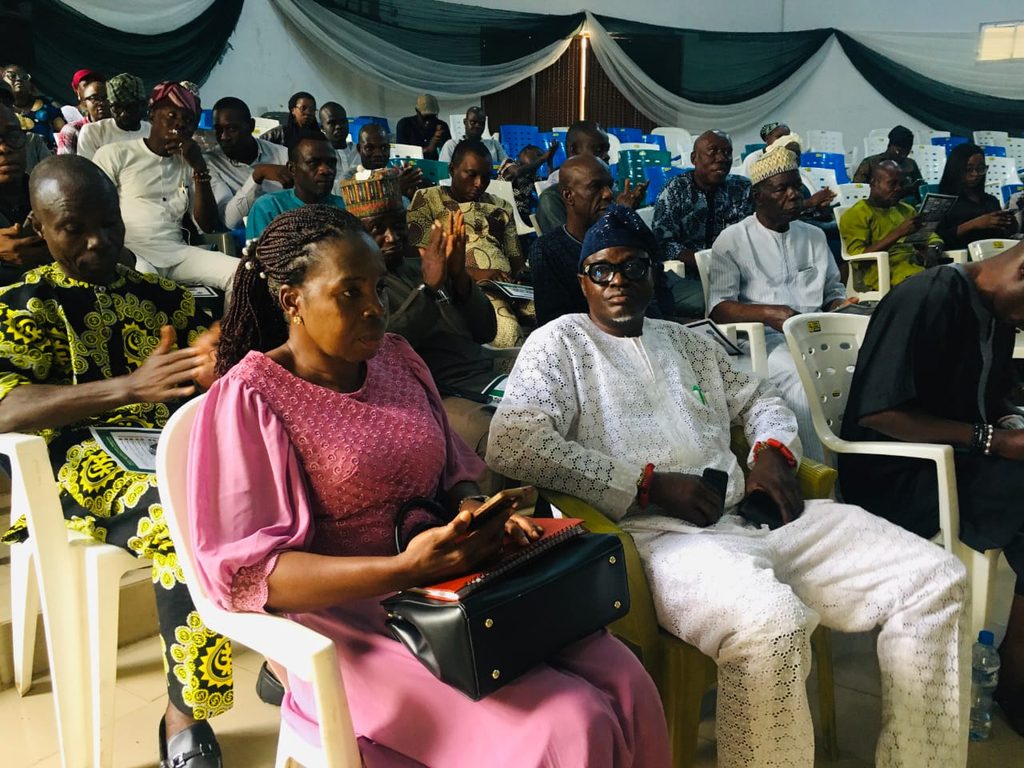
The event featured award presentations and was attended by journalists, media executives, political stakeholders and members of the public.
