
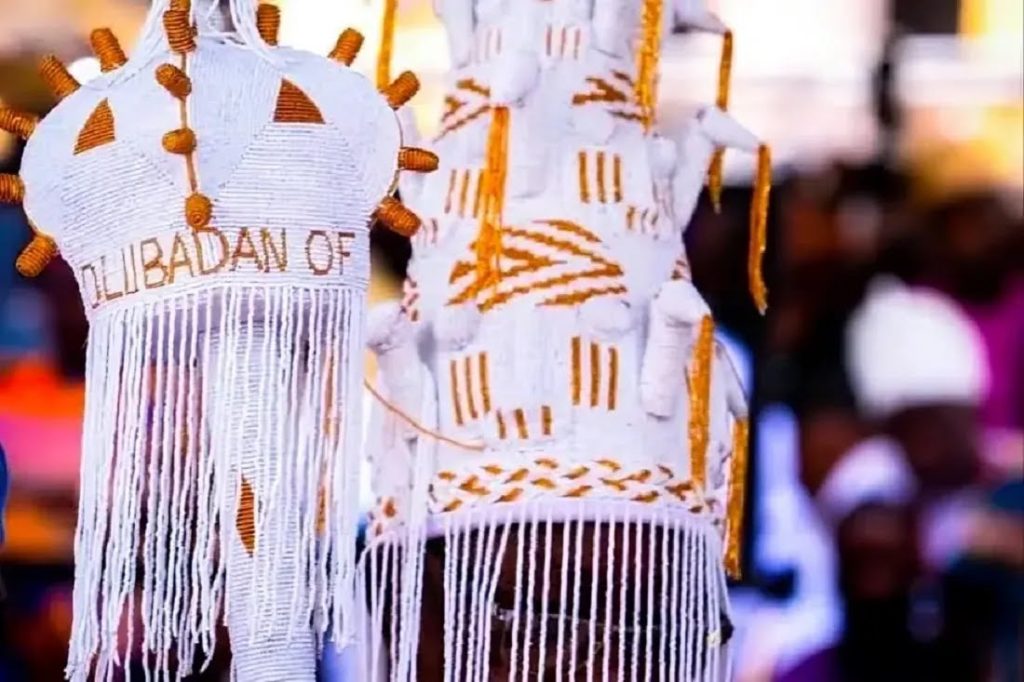
With the passing of Oba Owolabi Olakulehin on July 5, 2025, the stage is set for the emergence of the next Olubadan of Ibadanland — Oba Rashidi Adewolu Ladoja, the Otun Olubadan. But becoming the Olubadan is not a matter of royal birth or political appointment. It is a gradual, structured process guided by tradition, discipline and seniority.
Here are 10 important facts to understand how one becomes the Olubadan of Ibadanland — one of Nigeria’s most respected traditional thrones:

- Ibadan Runs A Dual-Ladder System
The Olubadan title is attained through a unique and well-organised chieftaincy structure made up of two lines:
The Civil Line (Egbe Agba or Otun Olubadan line)
The Military Line (Egbe Balogun or Balogun line)
Every eligible male indigene of Ibadan begins the journey from the bottom of either line after becoming a Mogaji (family head), and gets promoted up the ladder.
- Full List Of Ranks In The Civil Line (Egbe Agba/Olubadan Line)
To become Olubadan via the civil line, a candidate must pass through 22 stages, namely:
- Jagun
- Ajia
- Bada
- Aare Onibon
- Gbonnka
- Aare Egbe Omo
- Oota
- Laguna
- Aare Ago
- Ayingun
- Asaju
- Ikolaba
- Aare Alasa
- Agba Akin
- Ekerin
- Maye
- Abese
- Ekaarun Olubadan
- Ekerin Olubadan
- Asipa Olubadan
- Osi Olubadan
- Otun Olubadan
- Full List Of Ranks In The Military Line (Egbe Balogun Line)
To become Olubadan via the military line, a candidate must pass through 23 stages:
- Jagun
- Ajia
- Bada
- Aare Onibon
- Gbonnka
- Aare Egbe Omo
- Oota
- Laguna
- Aare Ago
- Ayingun
- Asaju
July 5, 2025
- Ikolaba
- Aare Alasa
- Agba Akin
- Ekerin
- Maye
- Abese
- Ekarun Balogun
- Ekerin Balogun
- Asipa Balogun
- Osi Balogun
- Otun Balogun
- Balogun
- The Throne Rotates Between The Two Lines
Succession to the throne alternates between the two lines. For example:
Oba Saliu Adetunji (Military line) → died in 2022
Oba Lekan Balogun (Civil line) → died in 2024
Oba Olakulehin (Military line) → died in 2025
Next: Oba Rashidi Ladoja (Civil line)
This rotation system prevents power monopoly and ensures fairness.
- No Royal Family Monopoly
Unlike many Yoruba towns where the throne rotates among ruling families, Ibadan has no specific royal house. Any male indigene of Ibadan who becomes a Mogaji and progresses through the ranks can eventually become the Olubadan.
- Mogaji Title Is The Starting Point
Before a man enters the Civil or Military line, he must first become a Mogaji — the recognised head of his family compound. Only after this can he begin the long journey up the ladder.
- Beaded Crown Now A Requirement
In 2024, the Oyo State Government amended the chieftaincy law, making it mandatory for senior chiefs to accept a beaded crown before being eligible to become Olubadan.
This reform was implemented after recommendations by the late Oba Lekan Balogun’s committee. Oba Ladoja initially resisted the crown in 2017 but eventually accepted it in August 2024, clearing the path for his ascension.
- Age Often Delays The Throne
Due to the structured promotion, Olubadans usually ascend the throne in their 70s or 80s. For example:
Oba Saliu Adetunji was 87 at ascension
Oba Balogun was 79
Oba Olakulehin died at 90
This makes reigns often short, but deeply respected.
- Modern Reforms Without Disturbing Tradition
Former Governor Abiola Ajimobi in 2017 elevated several high chiefs to Obaship level. Though controversial, the current administration under Governor Seyi Makinde reinstated the move in 2023, balancing tradition with modern relevance. Today, Ibadan remains the only Yoruba city where a lesser Oba can still rise to become the Olubadan.
- Council Approval And Governor’s Endorsement Required
Once a vacancy arises, the Olubadan-in-Council, which comprises senior chiefs from both lines, nominates the next Olubadan. The name is forwarded to the State Governor for approval and official coronation.
With the death of Oba Olakulehin, High Chief Rashidi Adewolu Ladoja, the Otun Olubadan, is next in line. Barring any last-minute issues, he is expected to be formally declared and crowned soon.
Conclusion
The Ibadan Obaship system is one of the most structured and respected traditional leadership paths in Nigeria. It promotes patience, dedication, and merit — qualities that many modern leadership institutions can learn from.
As the city prepares to welcome Oba Rashidi Ladoja as its 44th Olubadan, the hope is for a reign of peace, progress, and prosperity.
