
Nigerians will pay an additional N45 on every litre of petrol beginning January 2026, if pump prices remain at N900 per litre.
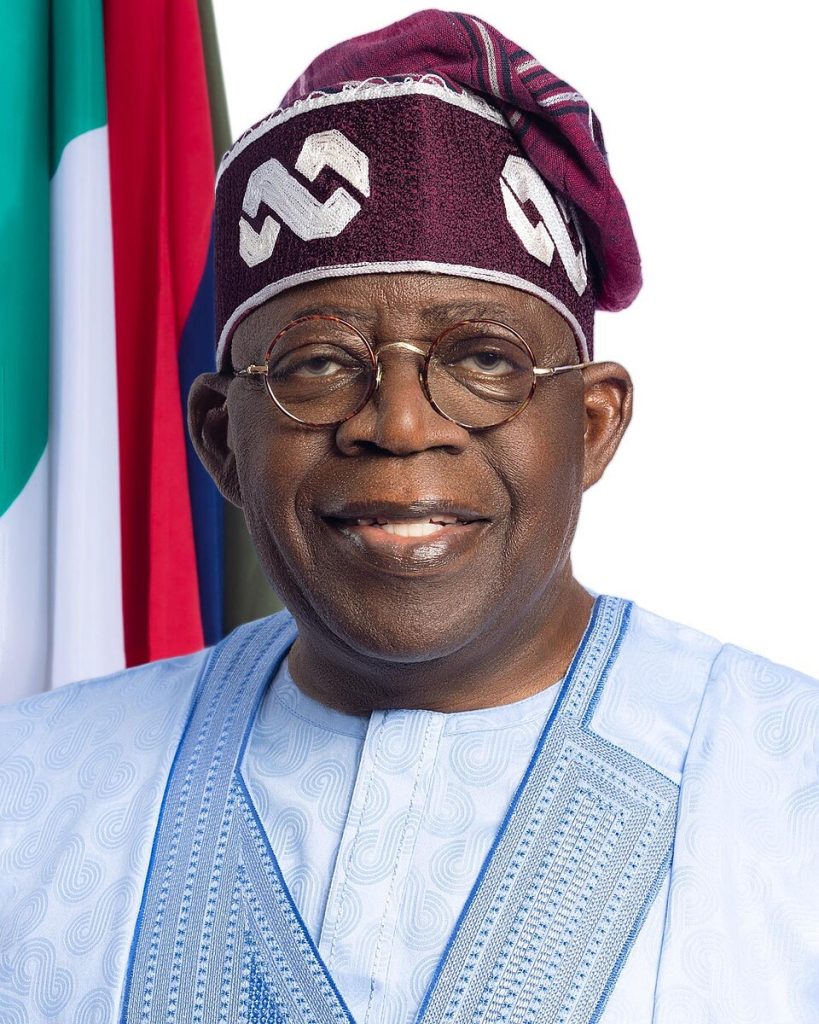
The extra charge is part of a 5 percent surcharge introduced in the Nigeria Tax Administration Act, one of four new tax reform laws signed by President Bola Tinubu on June 26, 2025. The law empowers the federal government to impose the levy on refined petroleum products in a bid to promote clean energy and boost non-oil revenue.

The surcharge will apply to fossil fuel products such as petrol, diesel, aviation fuel and kerosene. However, household kerosene, cooking gas, Compressed Natural Gas (CNG), and renewable energy products are exempt.
What the law says
According to the Act, the surcharge will be calculated on the retail price of chargeable fossil fuel products and will apply once a transaction whether supply, sale, or payment takes place.
The Federal Inland Revenue Service (to be renamed Nigeria Revenue Service by 2026) will be responsible for administering and collecting the surcharge monthly. The effective date of enforcement, however, is subject to an official order by Wale Edun, minister of finance and coordinating minister of the economy.
A surcharge is defined in the Act as an additional fee added to the base price of goods or services.
Industry concerns
Billy Gillis-Harry, president of the Petroleum Products Retail Outlets Owners Association of Nigeria (PETROAN), faulted the move, saying it will ultimately burden consumers.
“When this was first discussed in 2007, it was dropped because the conditions were not favourable. Then 5 percent was just about N2 or N3, but now 5 percent of N850 per litre is very high,” he said.
“The profit margin in the sector is less than 3 percent. If you are buying at N850 and selling at N920, where will the 5 percent come from? It will definitely be passed on to consumers. With the frequent price fluctuations, the impact will be very harsh on Nigerians.”
Nigerians react
The policy has sparked anger on social media, with many Nigerians describing it as “insensitive”.
Udofia Essien argued that taxing petrol in a crude oil-producing nation is unfair.
“Those who imposed it will never feel the pain. Other countries that tax petrol provide jobs to cushion the effect. Nigeria punishes her citizens instead,” he said.
For Dayo Wilson, transport is already unaffordable.
“CNG has jumped from N230 to N450, diesel is N1,300 per litre, electricity costs are up, and now they want to add 5 percent on petrol. The pressure is too much,” he lamented.
Presidency defends surcharge
Taiwo Oyedele, chairman of the Presidential Committee on Fiscal Policy and Tax Reforms, defended the new law, insisting the revenue will be dedicated to transport and logistics infrastructure.
“The finance minister will determine when it is appropriate to commence the surcharge. The idea is to use the revenue to fund transport infrastructure that will, in the long run, reduce costs and ease inflation for Nigerians,” Oyedele explained.
