
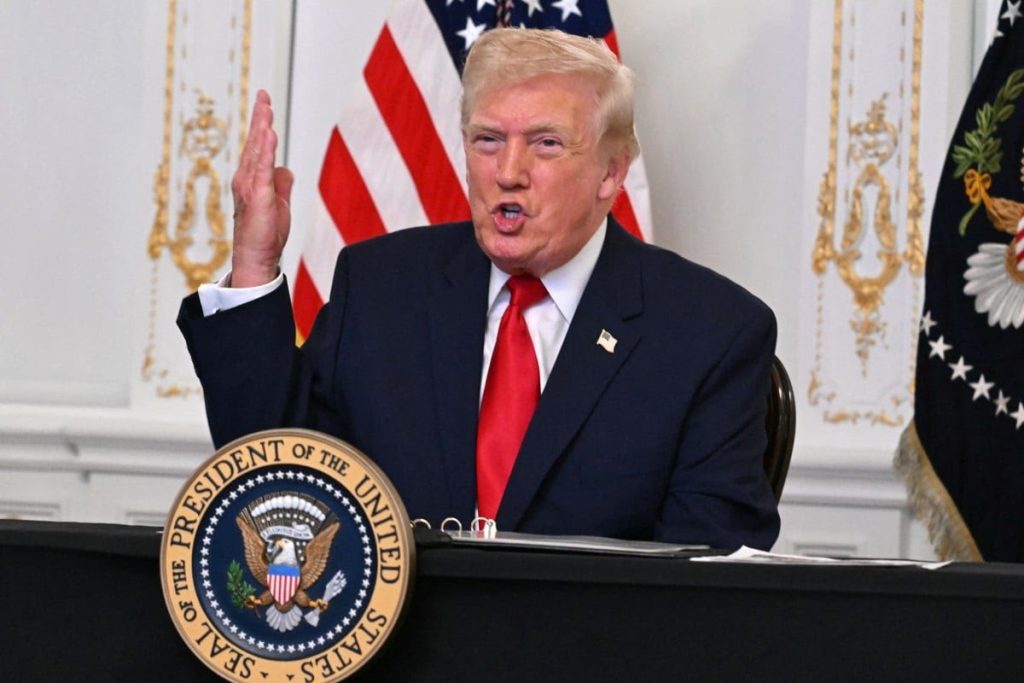
United States President Donald Trump has declared a permanent pause on migration from what he described as “Third World countries”, citing what he called decades of failed immigration policies and growing security concerns.
In a Thanksgiving message released on Thursday, Trump argued that the US had been overwhelmed by migrants from unstable nations, claiming the foreign-born population had risen to 53 million and included people from “failed nations, prisons, mental institutions, gangs, or drug cartels”.

Sweeping Ban Announced Trump said his administration would stop migration from developing countries such as Sudan, Chad, Niger, Benin, Pakistan and Nigeria. He insisted the move was necessary to protect the US from social and economic strain, alleging that incoming refugees were contributing to crime, housing shortages, and overloaded public services.
Harsh Critique of Immigration System
The president lamented that immigration had “divided and disrupted” the US and vowed to dismantle what he described as harmful policies inherited from previous administrations. He claimed migrants with green cards were receiving benefits exceeding their earnings and accused some refugee communities of destabilising states like Minnesota.
Plans for Deportations and Policy Overhaul
Trump pledged to reverse all immigration decisions taken under former President Joe Biden, revoke federal benefits for non-citizens, deport those he considers security risks or “non-compatible with Western Civilization”, and even pursue denaturalisation for migrants who “undermine domestic tranquility”.
He said his ultimate objective was “reverse migration”, asserting that only mass removals would resolve America’s challenges.
Context: DC Shooting Sparks Fresh Tension
The announcement comes shortly after two National Guard members were shot near the White House on Wednesday. The suspect, identified as an Afghan man who came to the US in 2021 under Operation Allies Welcome after assisting American forces, reportedly received asylum last year.
The incident has intensified scrutiny on Afghan resettlement and prompted renewed political pressure on the White House to tighten immigration controls.
