
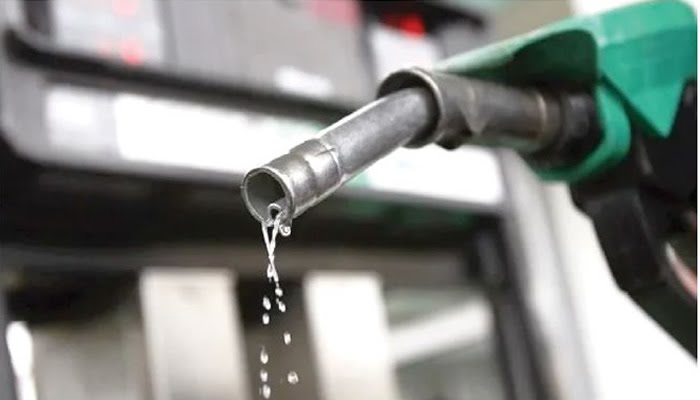
As of April 2025, petrol in Nigeria is priced at ₦885 per litre, significantly below the global average of ₦2,035.40, according to GlobalPetrolPrices.com.
This positions Nigeria among countries with some of the lowest fuel costs worldwide — a trend common among oil-producing nations with government subsidies or price controls.

Despite rising domestic prices, Nigeria remains far cheaper than most countries due to its status as an oil exporter. For context, Libya tops the list with the world’s cheapest fuel at just $0.027 (₦43.97) per litre, followed closely by Iran ($0.029) and Venezuela ($0.035) — all nations with vast reserves and state-backed fuel pricing.
Here’s a look at the 10 cheapest countries for petrol (April 2025):
- Libya: Petrol costs $0.027 per litre (₦43.97). Libya’s abundant oil reserves and subsidized energy policies make fuel highly affordable.
- Iran: Petrol is priced at $0.029 per litre (₦45.86). Iran’s vast oil reserves and heavy government subsidies contribute to its ultra-low fuel prices, despite international sanctions.
- Venezuela: The cost of petrol is $0.035 per litre (₦56.11). Venezuela’s vast oil resources and government price controls keep fuel prices low, though economic turmoil and hyperinflation pose challenges.
- Angola: Petrol is $0.327 per litre (₦524.20). Angola benefits from domestic oil production, keeping fuel relatively cheap despite challenges in balancing subsidies and revenue generation.
- Kuwait: Petrol is $0.343 per litre (₦549.68). As a major oil exporter with one of the highest GDPs per capita, Kuwait maintains low fuel prices as part of its welfare policies.
- Algeria: Petrol costs $0.347 per litre (₦557.09). Algeria’s energy subsidies make fuel affordable, although the government is under pressure to reform the subsidy system.
- Egypt: Petrol is $0.374 per litre (₦599.62). Egypt’s dual role as a producer and consumer of petroleum allows for relatively affordable fuel, despite recent subsidy reforms.
- Turkmenistan: Petrol costs $0.428 per litre (₦686.37). The country benefits from substantial natural gas reserves and state subsidies, keeping fuel prices low.
- Malaysia: Petrol is $0.474 per litre (₦759.45). Malaysia uses a managed float system, supported by local oil production, to regulate fuel prices, balancing cost with fiscal responsibility.
- Kazakhstan: Petrol is priced at $0.478 per litre (₦766.85). Kazakhstan maintains low fuel prices through state control and local refining, though challenges like infrastructure gaps persist.
Fuel prices vary globally based on government subsidies, taxes, and local refining capacity. While cheaper fuel benefits industries and consumers, it often comes with fiscal strains and economic risks, especially in nations facing sanctions or budget shortfalls.
