
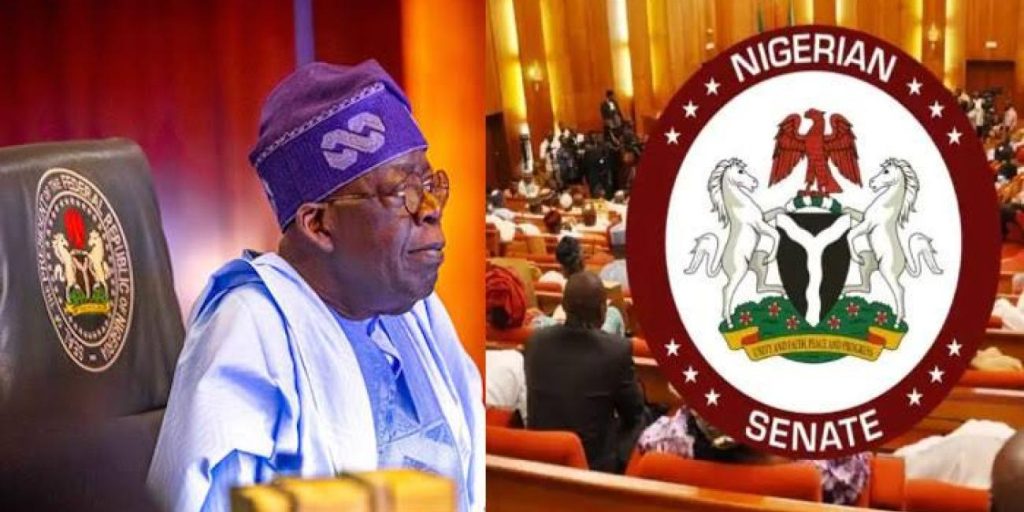
The Senate on Tuesday approved President Bola Tinubu’s 2025–2026 External Borrowing (Rolling) Plan, which includes loans and grants totalling $21.8 billion, €2.1 billion, JPY15 billion, and a €65 million grant.

The funds are expected to support key infrastructure and development projects across sectors including health, education, transport, and water resources.
The approval followed the presentation of a report by the Senate Committee on Local and Foreign Debts, chaired by Senator Aliyu Wamakko.
Also approved was the issuance of Federal Government Bonds worth N757.98 billion in the domestic debt market to clear outstanding pension liabilities.
In a related move, the Senate gave the green light for the Federal Government to raise up to $2 billion through the domestic debt market. This is to support the implementation of the Presidential Executive Order on the Local Issuance of Foreign Currency Denominated Instruments, as proposed by the Debt Management Office (DMO).
However, some lawmakers expressed reservations over the increasing debt burden. Senator Abdul Ningi (PDP, Bauchi Central) raised concerns about the repayment structure of the loans.
“Generations and generations after us will continue to pay these loans,” he said. “I have looked at the document and I can’t find anywhere that it is mentioned how we are to source the funds for repayment.”
Despite the concerns, other senators, including Senator Adetokunbo Abiru (APC, Lagos East) and Chairman of the Senate Committee on Finance, Senator Sani Musa, supported the borrowing plan. They maintained that the terms of the loans were favourable and necessary for economic development.
President Tinubu had submitted the borrowing plan to the Senate on May 27, 2025. The funds, according to the Federal Government, will be directed towards financing critical projects and programmes aimed at strengthening the economy and improving public services.
The approval comes amid increasing public scrutiny of Nigeria’s rising debt profile, though the government insists the borrowings are essential to bridge the country’s infrastructure gap and stimulate economic growth.
