
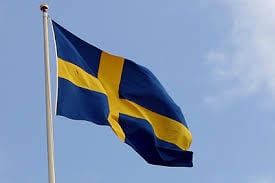
Nigerians have filed more than 7,600 asylum applications in Sweden between 2000 and 2024, according to official figures from the Swedish Migration Agency (Migrationsverket).

Data obtained showed a steady flow of Nigerian asylum seekers over the past two decades, though the numbers remain far below those from conflict-ridden African countries such as Somalia and Eritrea.
Between 2000 and 2021, 6,783 Nigerians applied for asylum. The figures rose again in recent years, with 288 applications in 2022, 200 in 2023, and 375 in 2024. Of the 2024 cases, 239 were first-time claims, while 136 were extensions from people whose temporary permits were about to expire.
More Women, Young Adults Applying
Women filed nearly two-thirds (159) of first-time Nigerian claims in 2024, while half of applicants were aged 25–44. No one above 64 applied.
Children accompanied 60 adult applicants, and one travelled alone as an unaccompanied minor.
Over the longer period (2000–2021), 132 Nigerian minors sought asylum unaccompanied.
Peaks and Rejections
Nigeria’s asylum applications in Sweden peaked at 452 in 2003 and 601 in 2013 but never approached the scale of Somali or Eritrean claims.
In 2024, 88% of Nigerian applications were rejected, placing the country among those with the highest denial rates worldwide, alongside India, Bangladesh, Albania, Morocco, and Algeria. By contrast, asylum grants went mostly to nationals from Syria, Afghanistan, Eritrea, Somalia, and Ukraine.
Nigeria in Africa’s Top Five
Nigeria remains one of the top five African sources of asylum seekers in Sweden, though Somalia alone has logged 54,000+ applications since 2000, followed by Eritrea with more than 39,000.
Migration experts say most Nigerian claims are driven by economic hardship and insecurity, rather than war or statelessness — factors that weigh heavily in Sweden’s asylum decisions.
Policy Shift in Sweden
Sweden’s asylum framework is governed by the Aliens Act (Utlänningslagen), aligned with EU directives and the 1951 UN Refugee Convention. Applicants must prove fear of persecution, risk of torture, or “exceptionally distressing” humanitarian grounds.
But since 2015’s record influx, Sweden has toughened its regime:
• Temporary permits instead of permanent residency,
• Restrictions on family reunification,
• Stricter deportation enforcement under the Tidö Agreement (2023).
Nigeria’s Brain Drain
Abuja-based economist Dr. Aliyu Ilias warned that asylum-driven migration represents a “total brain drain” for Nigeria.
“It is reducing our GDP. The appalling part is that most of our Nigerian brothers and sisters who go out do not return,” he said, adding that economic hardship and insecurity at home make the uncertain asylum path attractive.
