
By Samuel Sunday
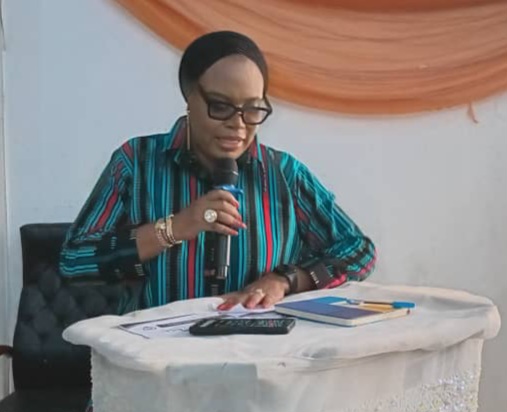
A former Special Adviser to a former Governor of Ekiti State, Dr. Margaret Fagboyo, has called on the National Assembly to urgently pass the proposed Special Seats Bill for women, warning that further delays would deepen the marginalisation of women in Nigeria’s political space.

Dr. Fagboyo made the call on Tuesday during a public lecture organized by the Nigeria Association of Women Journalists [NAWOJ], Ekiti State chapter, themed “Understanding the Special Seats Bill: Women Representation in Nigerian Politics, Current Statistics and Challenges.”
The sub-theme focused on “Lessons from Rwanda, Uganda and Kenya on Women Political Participation.”
Describing the bill as a strategic constitutional intervention, she said it was designed to bridge the gender gap in Nigeria’s political system by creating additional seats exclusively for women in the National Assembly and State Houses of Assembly. She added that the legislation would also encourage political parties to adopt gender-inclusive policies to increase women’s representation in elective offices.
“The essence of the bill is to promote inclusive governance and gender equity. It does not stop women from contesting existing positions, but rather creates additional opportunities that will guarantee adequate female representation in governance,” she said.
Dr. Fagboyo advocated the reservation of six special seats for women and urged women to build leadership capacity, participate actively in politics, and resist intimidation that often discourages female aspirants. She identified political violence, financial constraints, cultural barriers, poor media representation, and institutional discrimination as key obstacles to women’s political participation.
“If women continue to withdraw from politics out of fear, the representation gap will continue to widen. Political parties must therefore be deliberate and intentional in creating opportunities for women,” she said.
Citing Rwanda, Uganda, and Kenya as examples, she said affirmative action policies and gender quotas had significantly improved women’s participation in governance. She also referenced the COVID-19 pandemic, noting that countries led by women demonstrated strong crisis-management capacity.
Dr. Fagboyo lamented the low representation of women in Nigeria’s legislature despite constituting a significant portion of the population. She also criticized societal and media attitudes that often diminish women’s achievements by attributing them to male figures.
“Women deserve to be recognized for their accomplishments and contributions to national development. There is a need for mentorship, empowerment, and stronger support systems for aspiring female leaders,” she said.
In his keynote address, Director-General of the Ekiti State Bureau of Tourism Board, Ambassador Wale Ojo-Lanre, said women should not be treated as appendages to men but as equal partners in nation-building.
“Women are always at the forefront during campaigns. They mobilize support, canvass votes and endure difficult conditions during political activities, yet they are often sidelined when appointments and elective positions are being shared,” he said.
He argued that the Special Seats Bill could guarantee between 40 and 60 percent representation for women and strengthen inclusive leadership.
NAWOJ Ekiti Chairperson, Comrade Wumi Ademiju, called for stronger female representation and urged women to support one another and build leadership capacity. Ekiti NUJ Chairman, Comrade Kayode Babatuyi, also urged women to take active roles in shaping policies and assured that the media would continue to support women contributing meaningfully to society.
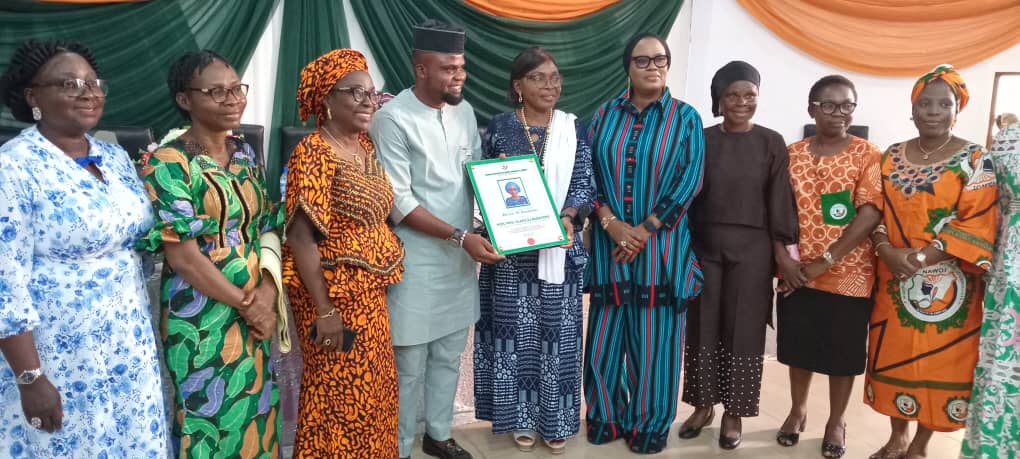
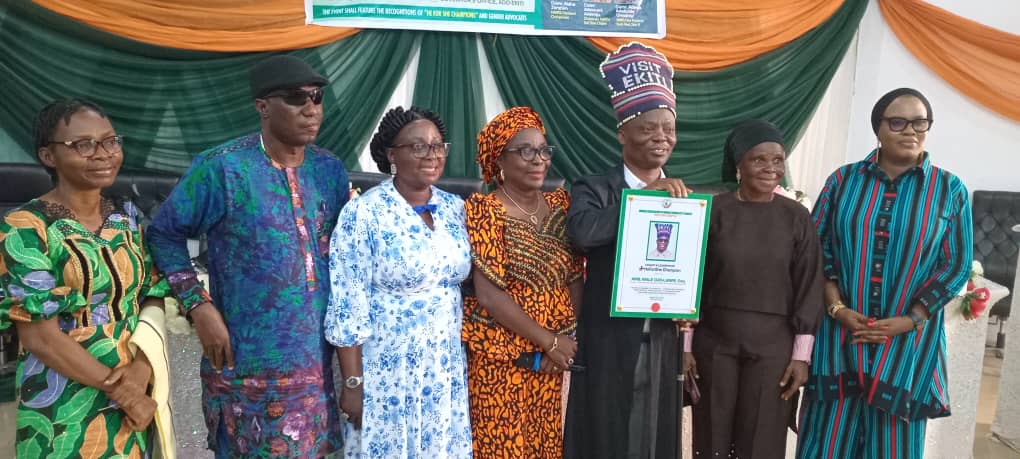
As part of the event, held at the Sanni Abacha Hall in Ado-Ekiti, NAWOJ presented awards to the Ewi of Ado Ekiti, Oba Rufus Adeyemo Adejugbe III; Special Adviser on Media to the Ekiti State Governor, Mr. Yinka Oyebode; Ambassador Wale Ojo-Lanre; Mrs. Okiemien; and Dr. Margaret Fagboyo for their contributions to women development and advocacy against gender-based violence.
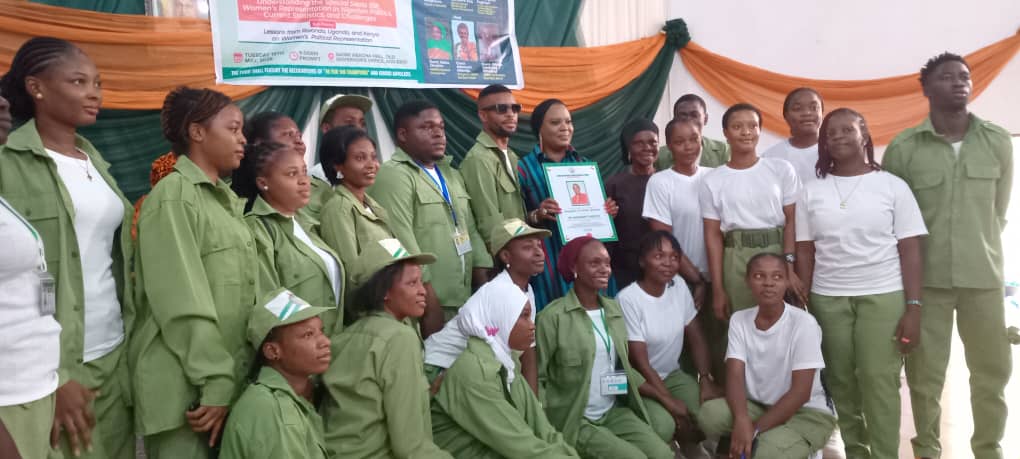
Attendees included Ekiti State Commissioner for Women Affairs Mrs. Peju Babafemi, represented by a permanent secretary; HeForShe advocate Comrade Rotimi Feyisina; Director-General of Civic Orientation Mrs. Famuyiwa; representatives of the International Federation of Women Lawyers and the Nigerian Bar Association; youth corps members; and other stakeholders.
