
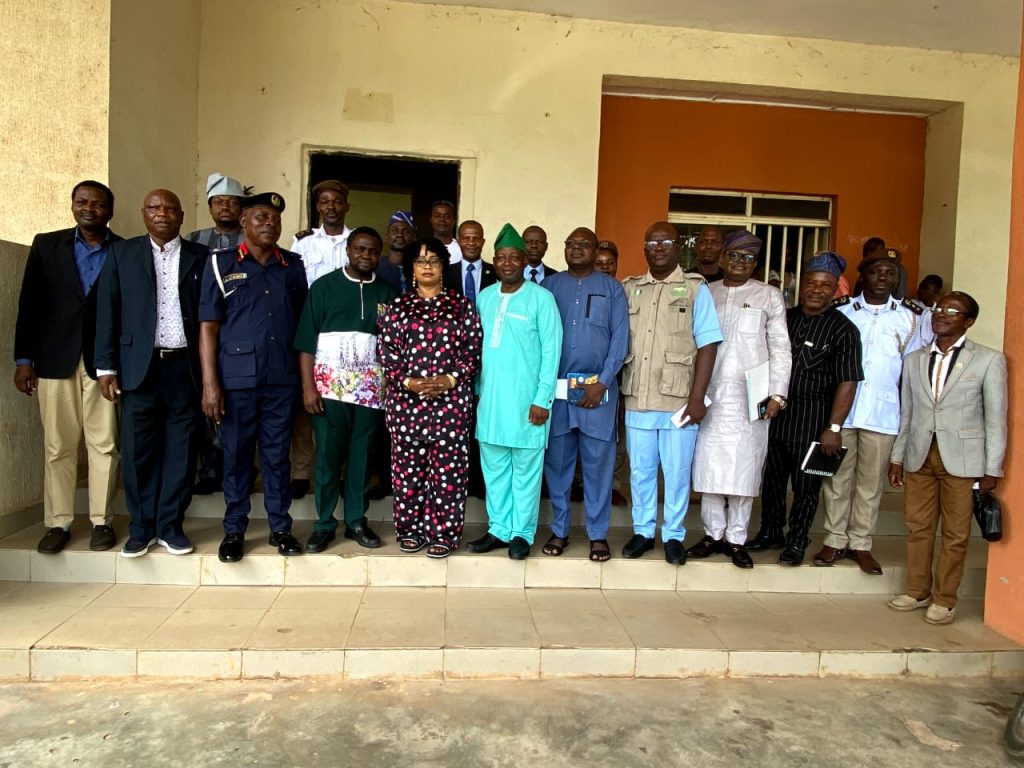
The Ekiti State Government has stepped up measures to address the persistent odour nuisance affecting parts of Ado-Ekiti and neighbouring communities, as stakeholders called for stronger collaboration, scientific investigation, and increased public sensitisation to curb environmental pollution.

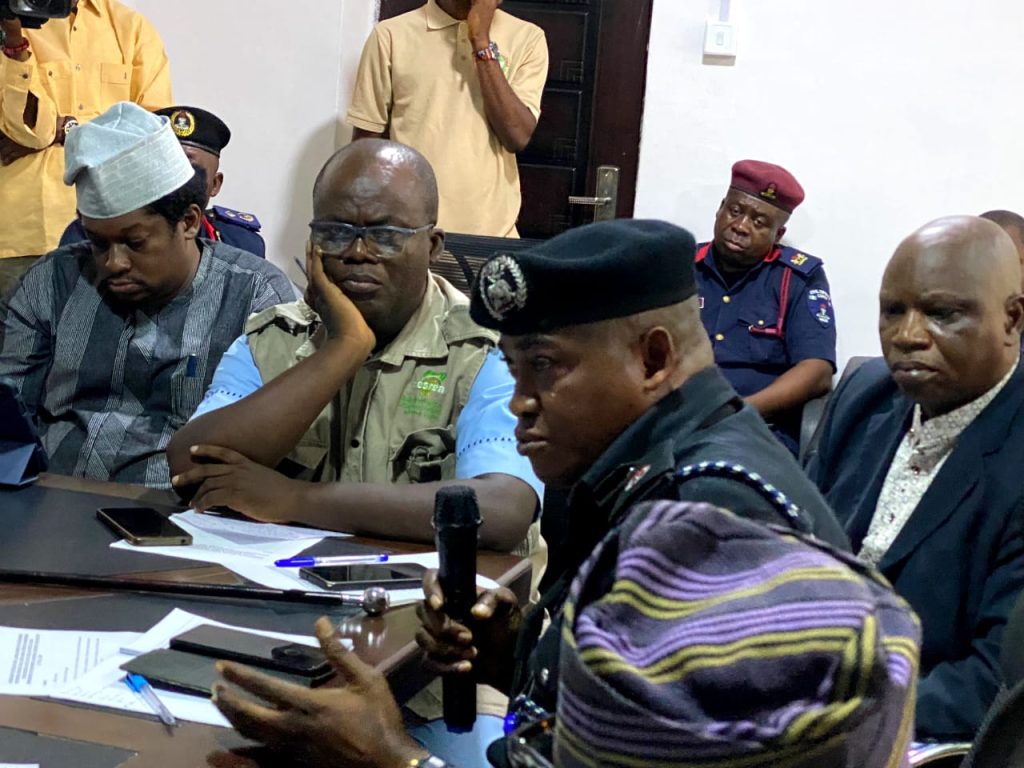
The position was reached during an expanded stakeholders’ meeting convened by the Ministry of Environment and Natural Resources to deliberate on the cause of the odour and its impact on public health.

Commissioner for Environment and Natural Resources, Mrs. Tosin Aluko-Ajisafe, reaffirmed the government’s commitment to protecting public health and ensuring environmental safety. She said several proactive steps had already been taken, including intensified sanitary inspections, fumigation exercises, stakeholder engagement, and the arrest and prosecution of offenders linked to environmental pollution.
“The government will not hesitate to enforce the full weight of the law against anyone found violating environmental health regulations,” Aluko-Ajisafe warned.
She urged residents, community leaders, religious organisations, and non-governmental organisations to support the effort by promoting proper sanitation practices and reporting activities that could lead to pollution.
In his welcome address, Permanent Secretary of the Ministry, Dr. Sunday Omoya, said the meeting was part of ongoing efforts to identify the source of the odour and strengthen interventions to restore a healthy environment in affected areas.
Officials of the Ministry of Health and Human Services reported that different forms of offensive odour had been recorded in several locations within and outside Ado-Ekiti, mostly during late-night and early morning hours. Director of Public Health, Mr. Abayomi Ibrahim, said some residents had complained of headaches and nausea linked to the smell, which tends to fade as the day progresses.

Stakeholders noted that investigations should extend beyond waste management to include manufacturing operations, chemical processing, mining activities, and improper waste disposal into waterways as possible sources.
Representatives of the Nigeria Police, Nigeria Security and Civil Defence Corps, and the National Drug Law Enforcement Agency pledged continued support for enforcement and called for stricter environmental laws, increased inspections, and sustained public enlightenment.
The General Manager of the State Waste Management Authority said inspections had been carried out at dump sites, Dino bin locations, and operational areas of waste management partners, but none had been confirmed as the direct source. He added that fumigation had been conducted and further preventive measures were ongoing.
Stakeholders from the State Environmental Protection Agency, Ekiti State University, and the Ministry of Information also recommended improved data gathering, inter-agency collaboration, and closer monitoring of border communities to identify the source and prevent recurrence.
In her closing remarks, the Commissioner thanked participants for their input and assured residents that the government would sustain monitoring operations, regulate activities that could cause environmental nuisance, and begin plans for land allocation for proper sewage management.

The Ministry urged the public to report cases of environmental pollution or offensive odour through its toll-free line 08000606606, or on 08111114622, 08111114633, and 08111114644.
Residents can also contact environmental officers directly on 08062326692 and 08032132076.
