
Fears of detention at ports of entry and sudden visa cancellations have forced many Nigerians living in the United States to abandon planned trips home for the popular Detty December festivities.
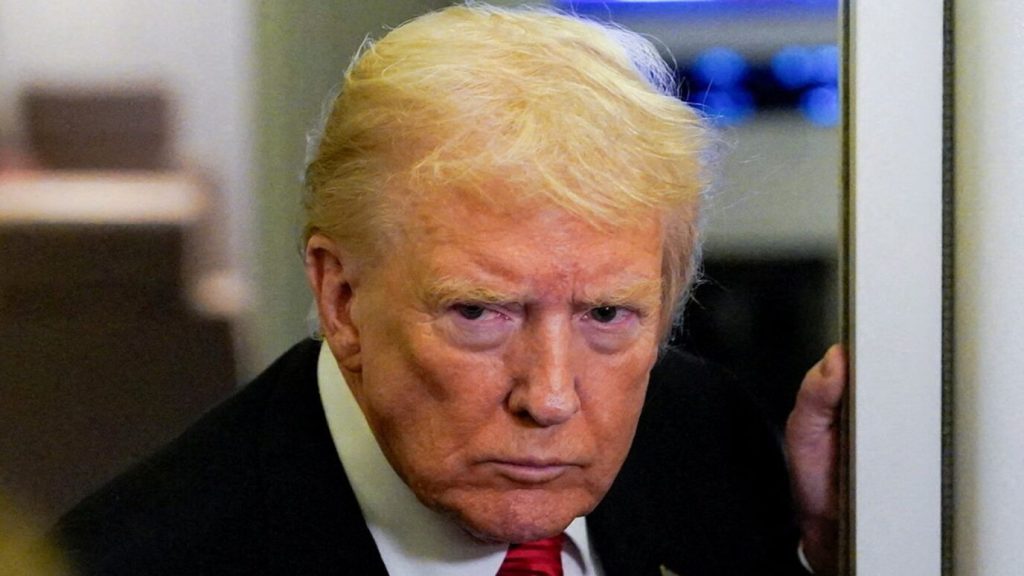
The development follows fresh travel restrictions imposed on Nigerians by US President Donald Trump, sparking anxiety among visa holders, students and even permanent residents.

Detty December is a popular term in Nigeria used to describe the festive season, usually marked by concerts, parties, family reunions, homecomings and other social activities.
Sources in the US said the uncertainty surrounding the new policy has unsettled even long-time travellers, with many deciding it is safer to remain in the country rather than risk being denied re-entry.
One Nigerian visa holder said the tension was so high that he advised his son not to travel to Nigeria for Christmas, despite having valid documents.
Since returning to office, the Trump administration has rolled out a series of visa restrictions and travel limitations affecting Nigeria and several other countries.
The White House said the measures are aimed at reforming the US immigration system, strengthening border security and improving the vetting of foreign nationals.
According to the White House, holders of B-1, B-2, B-1/B-2, F, M and J visas will be barred from entering the United States from January 1, 2026.
The affected categories include business and tourist visas, as well as student and exchange visitor visas.
Many Nigerians resident in the US said the policy has made travelling home for Detty December too risky.
A Nigerian politician contesting a council seat in District 4 of Prince George’s County Council, Dr Juliet Agocha, said travelling at this time could jeopardise her political ambitions.
“It would pose a significant political risk for me to travel to Nigeria while actively running for the 2026 election. More than 18,000 Nigerian immigrants could be impacted by the Trump visa ban, and nobody wants to take unnecessary chances at this point,” she said.
A doctoral candidate and microbiologist at Indiana University also said many Nigerian students had cancelled plans to return home for the holidays.
He explained that several students had completed extensive academic documentation as early as December 1, and leaving the US for Detty December could undo months of preparation.
“There is panic everywhere, especially among students. People are worried that if they leave the US now, the Trump administration might block them from coming back,” the student said on condition of anonymity.
According to him, some students had already informed their families in Nigeria that they would not be travelling home as planned.
“It’s painful, but many feel it’s the safer option,” he added.
Another Nigerian student based in Kansas shared similar concerns, saying travelling home now could be interpreted negatively by US authorities.
“Coming to Nigeria now is like telling him that you’ve completed your programme. Even though I hold a valid visa, re-entry might be challenging. I feel he has something against Nigeria,” he said.
A doctoral student at Ohio University, Dolapo Oyedoku, warned that prospective students planning to resume studies in January 2026 could face serious entry challenges.
Oyedoku noted that while the restrictions may not automatically invalidate existing visas, they could lead to stricter scrutiny and higher denial rates across visa categories.
“At the point of entry, students may face intense questioning and additional scrutiny,” he said.
As uncertainty continues, many Nigerians in the US appear resigned to missing Detty December celebrations, choosing caution over the risk of being locked out of the country.
