
By Ayodele Abere
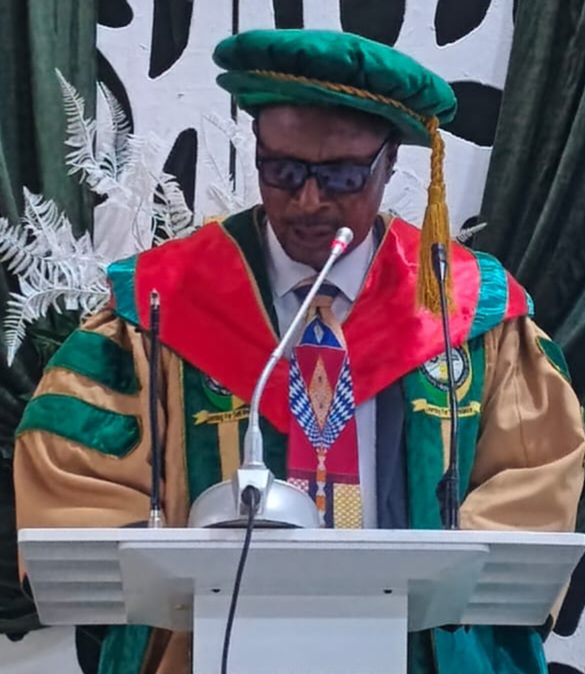
A Professor of Social Studies Education at Bamidele Olumilua University of Education, Science and Technology, Ikere-Ekiti (BOUESTI), Professor Emoefe Uche Ekiugbo, has proposed a Dual Transcript system, Academic and Integrity Transcripts for all graduates of the University to produce character holders and not just certificate holders.

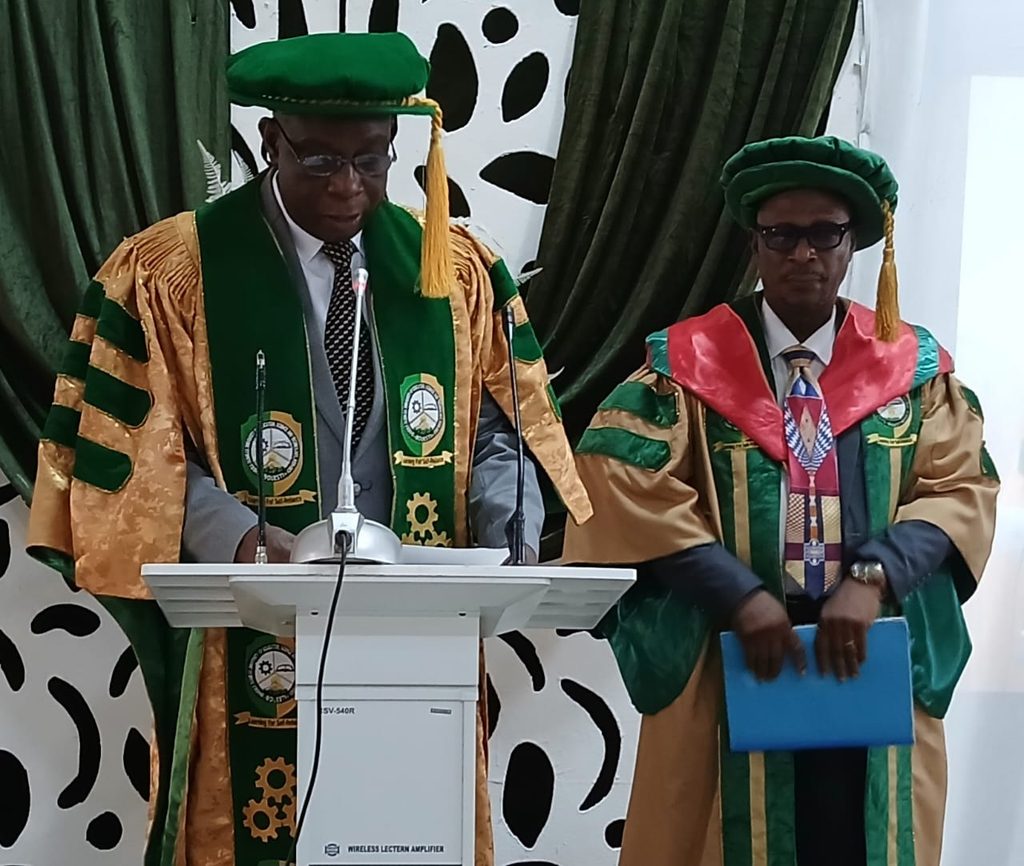
The Vice Chancellor, Professor Omojola introducing the inaugural lecturer
Delivering the 12th Inaugural Lecture of the University on Tuesday at the main campus, titled “From Jason’s Ideology To Adadevoh’s Legacy: Designing Accountability Into Social Studies Education,” Professor Ekiugbo also recommended the establishment of a Centre for Accountability and Citizenship Studies in the University.
He further recommended the institution of an annual National Adadevoh’s Day on August 19 from 2027, to celebrate civic accountability in honour of the late Dr. Ameyo Stella Adadevoh, who died saving Nigeria from Ebola in 2014.
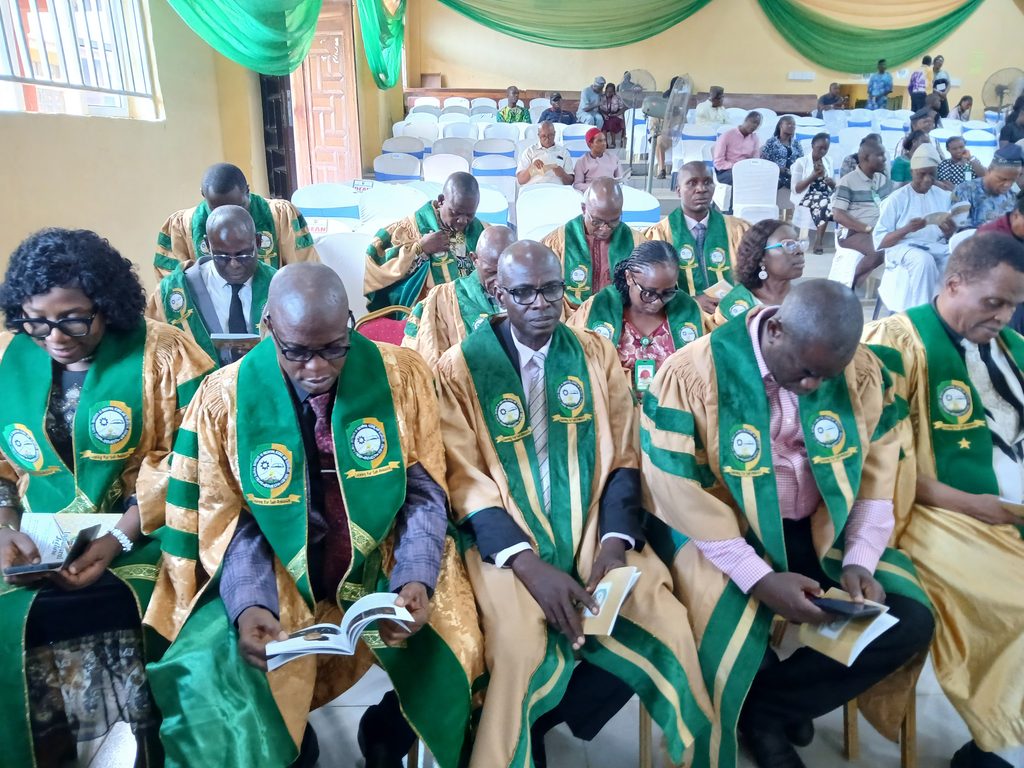
The Don also called for an annual oath of accountability for all academic and non-teaching staff of the University from the 2026/2027 academic session, and the introduction of “Accountability by Design” as a compulsory two-unit course for all 100-level students across all Colleges and Faculties.
He said the proposals would make civic competence a measurable outcome of the University and position BOUESTI as a national laboratory for nation-building and citizenship education.
Professor Ekiugbo explained that the recommendations followed his research findings, which showed low accountability among SS3 students, including examination malpractice, financial dishonesty, voter apathy and misuse of Artificial Intelligence for assignments.
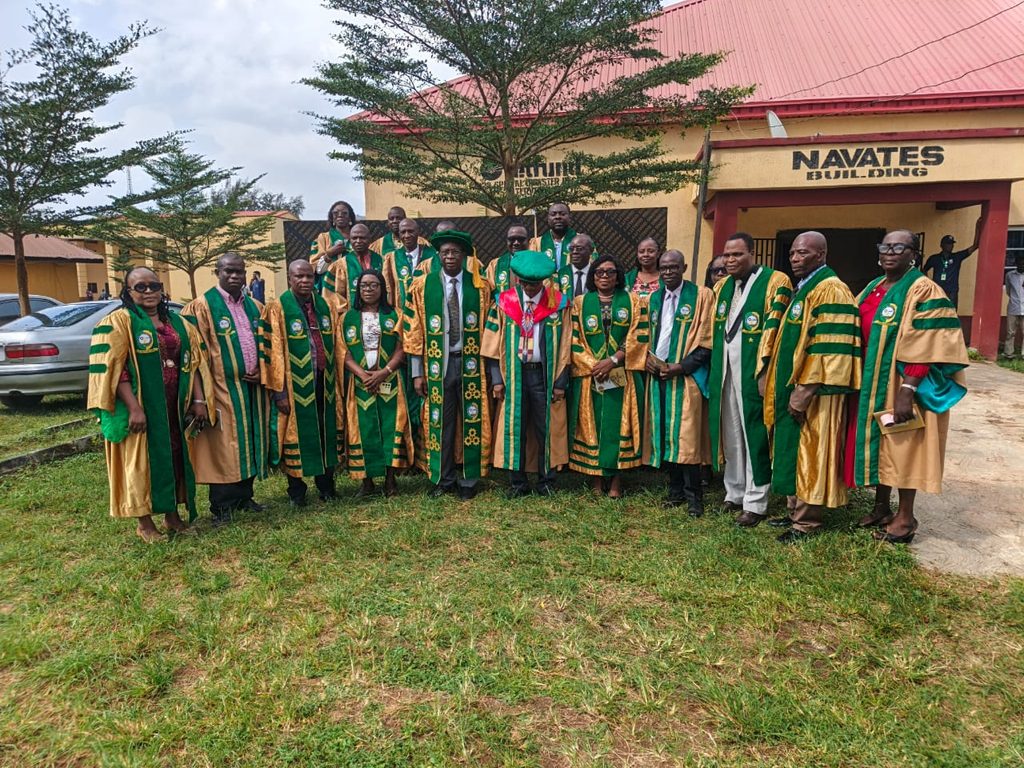
He noted that his 3-Layer Framework, anchored on Civic Republicanism and Kolb’s Experiential Learning Theory, raised students’ mean accountability scores from 2.29 to 3.44 in eight weeks, proving that a change in teaching method could change student behaviour.
He therefore urged the Senate of the University to approve the recommendations without delay for implementation from the 2026/2027 session, stressing that the future of Nigeria lies not in oil or technology, but in the kind of citizens produced from its classrooms.
