
By Samuel Sunday
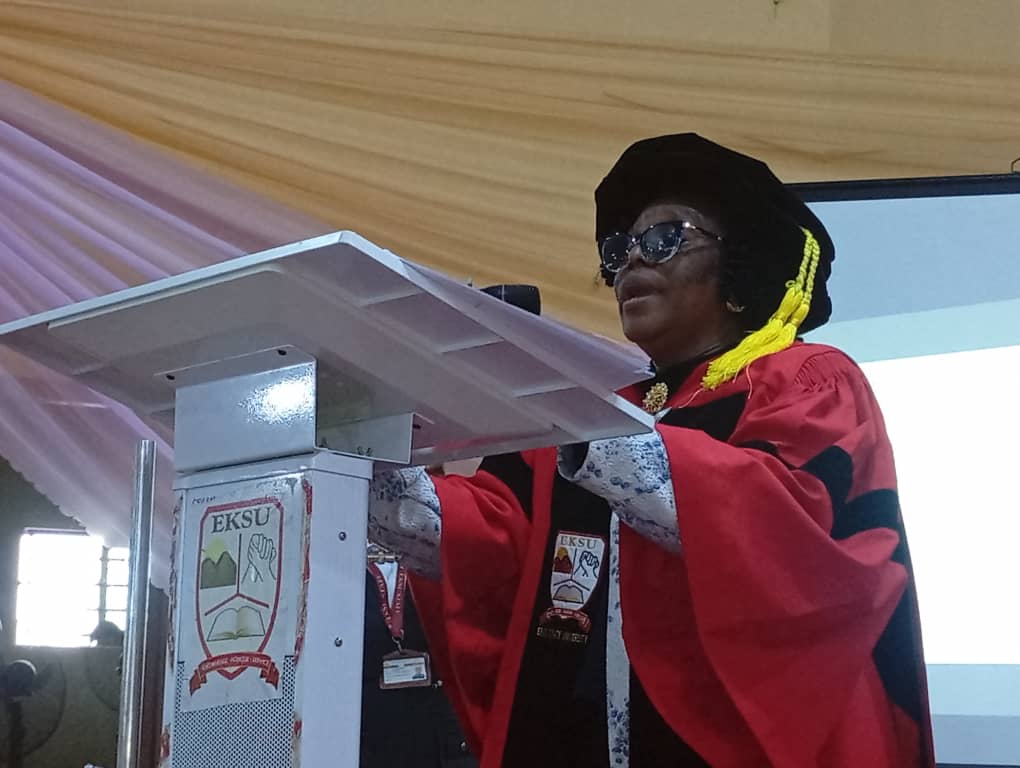
A Professor of Educational Management at Ekiti State University (EKSU), Ado-Ekiti, Prof. Veronica Olubunmi Adesua, has called on the Federal Government to strengthen educational policy implementation, improve school infrastructure and invest in teacher development to address persistent challenges in Nigeria’s education sector.

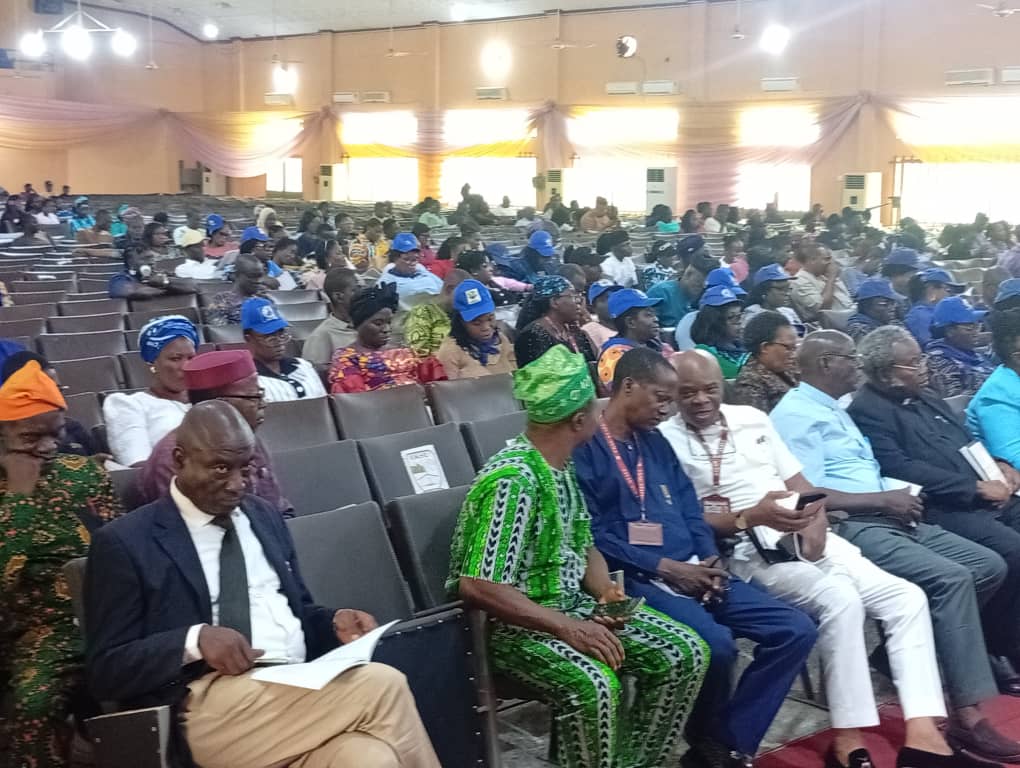
Prof. Adesua made the call while delivering the university’s 110th inaugural lecture, titled “Bridging the Divide: Optimising Educational Policy Implementation in Nigeria,” at the university auditorium.
She emphasised that effective implementation of educational policies is essential to improving learning outcomes, developing human capital and achieving sustainable national development.
The professor explained that education remains a lifelong process through which individuals acquire knowledge, attitudes, values and skills needed to function effectively in society.
She noted that although Nigeria has established educational policies to promote national objectives, implementation gaps have continued to limit their ability to produce the desired social and economic outcomes.
Prof. Adesua traced some of the challenges to earlier colonial educational policies, including the 1952 Education Ordinance and the regional laws of 1954, which she said did not adequately address Nigeria’s aspirations for scientific, technological and economic development.

She stressed that educational policies should promote self-reliance, vocational competence, entrepreneurship and the development of skills that enable graduates to create jobs rather than depend solely on limited employment opportunities.
She identified inadequate funding, poor infrastructure, insecurity, unequal access to digital technology and the migration of skilled professionals abroad as major obstacles to effective educational policy implementation.
According to her, insufficient facilities undermine teaching, learning and administration, while insecurity disrupts schooling and exposes learners and teachers to serious risks. She also warned that the migration of experienced academics and other skilled professionals weakens the country’s educational capacity.
The inaugural lecturer called for curriculum modernisation to incorporate digital competencies, practical knowledge, creativity and other 21st-century skills.
She also advocated continuous professional development for teachers, improved welfare for academic staff, merit-based appointments for education administrators and stronger collaboration among government, schools, communities and private-sector stakeholders.
She urged authorities to expand internet connectivity and access to information and communication technology, particularly in rural communities.
Prof. Adesua further recommended stronger monitoring of educational policies, increased investment in school facilities, improved security in conflict-prone areas and targeted interventions for out-of-school children and other disadvantaged learners.
She also called for better remuneration and working conditions to reduce brain drain, alongside sustainable funding arrangements to improve access to higher education.

She said government should strengthen the implementation of education policies through transparent governance, regular evaluation and accountability, while sustaining investment in the sector in line with internationally recommended funding benchmarks.
In his remarks, the Vice-Chancellor of EKSU, Prof. Joseph Babatola, commended Prof. Adesua for the lecture and reaffirmed the university’s commitment to quality teaching, research, innovation and professional development.
He said strengthening governance, empowering educators, leveraging technology and promoting inclusivity would help improve learning outcomes and support sustainable development.
Prof. Babatola also called on stakeholders to continue supporting the university, adding that its academic community would sustain efforts to produce research and innovations capable of addressing societal challenges.
