
Canadians headed to the polls on Monday to elect a new government, in an election overshadowed by a growing trade war and annexation threats from United States President Donald Trump.

The Liberal Party, led by newly installed Prime Minister Mark Carney, initially appeared set for defeat by Conservative leader Pierre Poilievre. However, Trump’s aggressive interventions in Canadian politics sparked a late swing in the polls, boosting Liberal prospects.
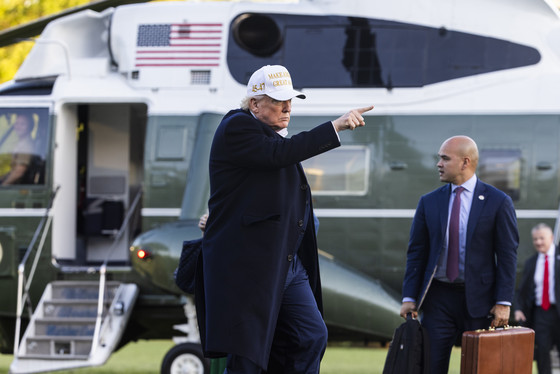
Trump, on election day, took to his Truth Social platform to propose that Canada “become the cherished 51st state,” promising “ZERO TARIFFS” if it did so. “IT WAS MEANT TO BE!” he declared.
Carney, 60, who only replaced Justin Trudeau last month, is a former investment banker and ex-central bank governor in both Canada and Britain. Despite lacking previous electoral experience, he has campaigned on his financial expertise, arguing he is best suited to defend Canada against Trump’s economic threats.
“The United States wants to break us so they can own us,” Carney warned repeatedly during the campaign. “We don’t need chaos; we need calm. We don’t need anger; we need an adult.”
Poilievre, 45, a longtime Conservative politician, focused his campaign on domestic issues like crime, housing shortages, and high living costs, problems that fueled Trudeau’s unpopularity after nearly a decade in power.
While Poilievre criticized Trump’s approach, he blamed Canada’s vulnerability on what he called the Liberals’ “lost decade” of poor governance.
“You cannot handle another four years of this,” Poilievre said during the final weekend of campaigning.
Tight Race
Final polls indicated a close contest but suggested Carney had edged ahead. Surveys consistently showed that voters trust Carney more to handle Trump’s threats.
“This election is unique,” said Hamza Fahri, a Montreal resident who spoke to AFP. “I wanted the Liberals out, but I’ll vote for Carney because he’s a strong, serious man—and that’s what Canada needs now.”
In contrast, Kelsey Leschasin from Conservative-leaning Saskatchewan said she was voting for “change” regardless of Trump’s influence.
“I don’t agree with how the Liberals are running the country,” she said.
Some voters, however, expressed frustration that American politics dominated the Canadian campaign. “It’s unfortunate that social issues like equality were sidelined,” said Julie Demers, a mother of two.
