
The Presidency says Nigeria is witnessing measurable progress in its economy following a series of reforms introduced under President Bola Tinubu.

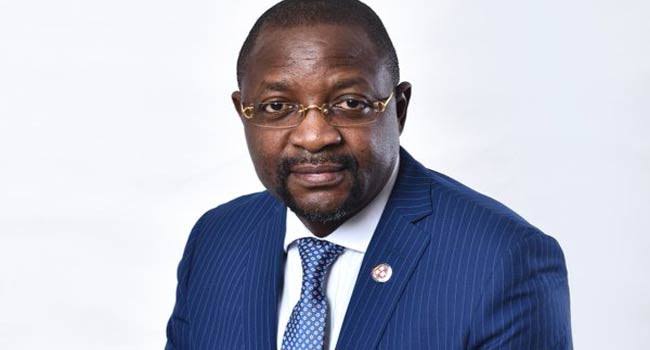
In a statement posted on X on Thursday, Sunday Dare, Special Adviser to the President on Media and Public Communication, said the economy—once at “breaking point”—has been redirected through reforms touching trade, foreign reserves, taxation, debt service, subsidy removal and fiscal discipline.
According to him, the changes have reversed worrying trends that defined Nigeria’s finances before May 2023.
“Before May 2023, Nigeria was consistently running a trade deficit, importing far more than it exported, with a negative balance of payment that drained the economy. Today, the tide has shifted: through reforms, Nigeria now records a trade surplus, easing pressure on external accounts,” Dare wrote.
He also noted that the unification of the exchange rate had reduced distortions between the official and parallel markets, while unmet FX demands had been cleared and reserves rebuilt from less than $4 billion to over $23 billion.
On government revenue, Dare explained that the tax-to-GDP ratio had risen above 15 per cent compared to less than 10 per cent previously, while the share of revenue spent on debt servicing had dropped below 50 per cent from about 97 per cent.
He further highlighted the removal of petrol subsidy as a turning point, freeing funds for investments and stabilising fuel supply, while states now receive positive allocations from the Federation Account.
Dare said the federal budget deficit is declining as capital expenditure expands, while tighter controls have curtailed Ways and Means borrowing from the Central Bank which had exceeded ₦30 trillion before Tinubu came to power.
On the oil and gas sector, he said reforms and renewed security measures had lifted production after years of decline caused by theft and mismanagement.
He added that reforms have created a more predictable investment climate, encouraging capital inflows and boosting Nigeria’s sovereign ratings.
While admitting inflation remains high, Dare said it has started to moderate, with interest rates stabilising. He also claimed that reforms were opening new job opportunities and addressing poverty through infrastructure investment.
The presidential aide stressed that without the reforms, Nigeria would have faced “worsening deficits, collapsing reserves, hyperinflation, ballooning debt, and possible economic collapse.”
