
By Samuel Sunday
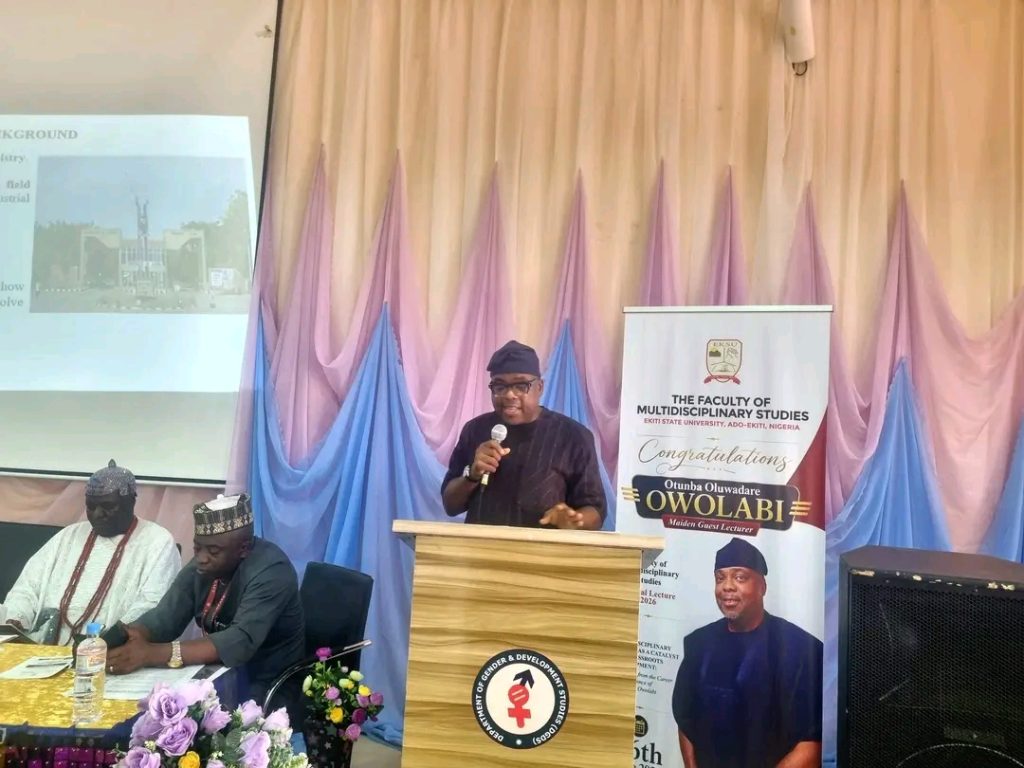
The Chief Executive Officer of ARCA Payment Limited, Otunba Oluwadare Owolabi, has called on Nigerian universities to fully adopt multidisciplinary education as a critical tool for accelerating grassroots development and addressing the country’s complex socio-economic problems.

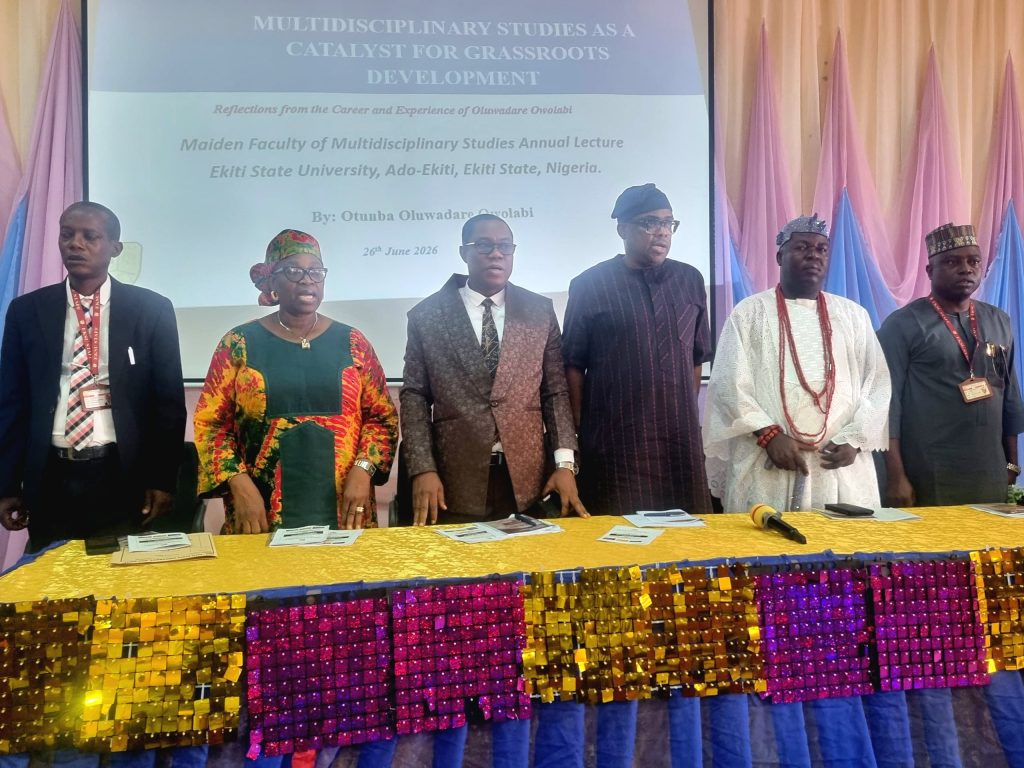
Owolabi made the call on Friday while delivering the maiden annual lecture of the Faculty of Multidisciplinary Studies, Ekiti State University, EKSU, Ado-Ekiti.
Speaking on the theme, “Multidisciplinary Studies as a Catalyst for Grassroots Development: Reflections from the Career and Experience of Oluwadare Owolabi,” he urged universities, governments, and students to embrace multidisciplinary learning as a pathway to innovation, sustainable development, and national growth.
He appealed to governments at all levels to provide adequate funding, teaching tools, qualified lecturers, and other resources needed to strengthen the faculty. According to him, investment in the department would produce graduates equipped to solve complex social, economic, and technological challenges confronting Nigeria.
Owolabi challenged students to be intentional about learning beyond the classroom and to apply knowledge to real-life problems.
“Do more than what you are asked to do. Learn more than what you are asked to learn and put it into practice,” he said, adding that the approach would produce innovative leaders capable of driving sustainable development.
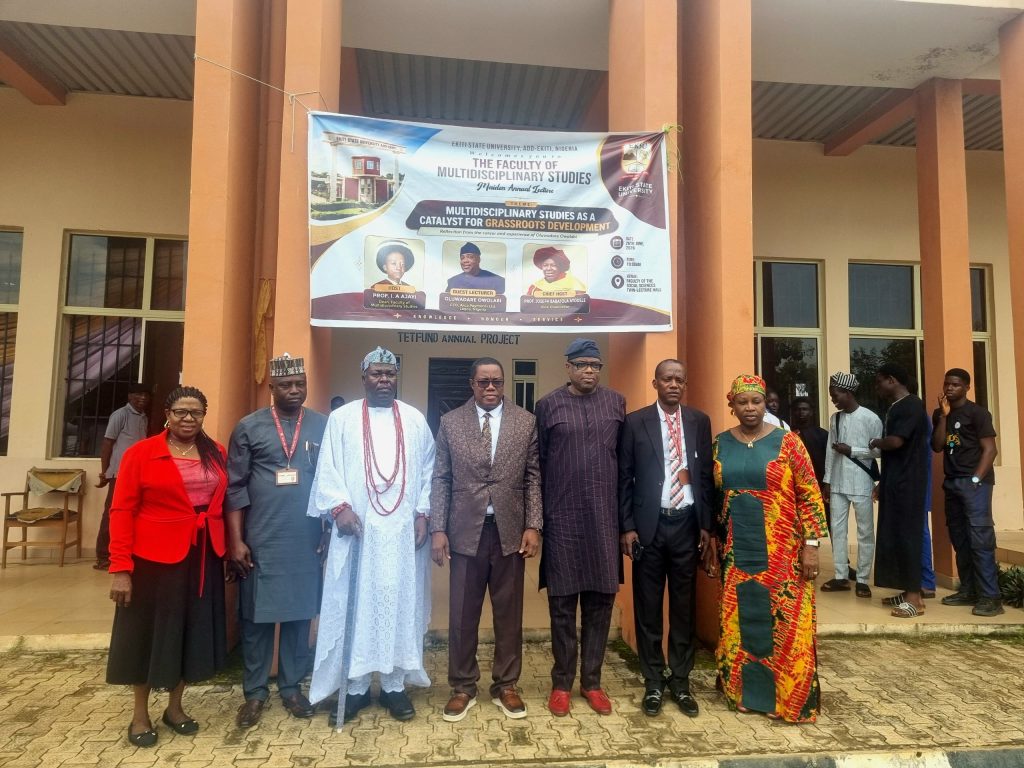
Representing the Vice-Chancellor, Professor Joseph Babatola Ayodele, the Deputy Vice-Chancellor (Development), Professor Michael Oke, described the lecture as a historic milestone for EKSU. He said the annual series would promote intellectual engagement, interdisciplinary collaboration, and practical solutions to societal challenges.
He noted that grassroots development requires contributions from education, technology, health sciences, management, economics, and the humanities working together.
Earlier, the Dean of the Faculty, Professor Isaac Abiodun Ajayi, said the faculty was established to promote collaboration across fields of knowledge for societal advancement. He expressed confidence that the lecture would inspire students, academics, and professionals to value multidisciplinary thinking.
In an interaction with journalists after the lecture, Owolabi said governments, university administrators, lecturers, and students must be deliberate in promoting multidisciplinary education. He argued that reducing bureaucracy and focusing on practical solutions would help Nigeria recover lost ground in education and development.
He also urged citizens to elect leaders committed to investing in education rather than short-term political interests.
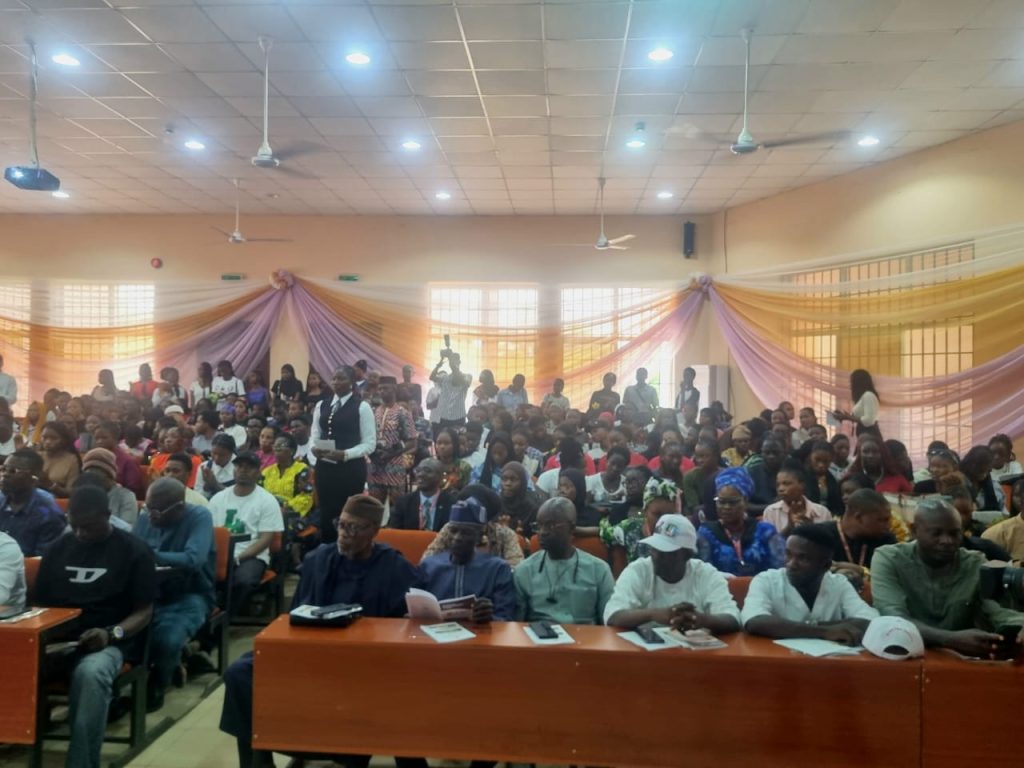
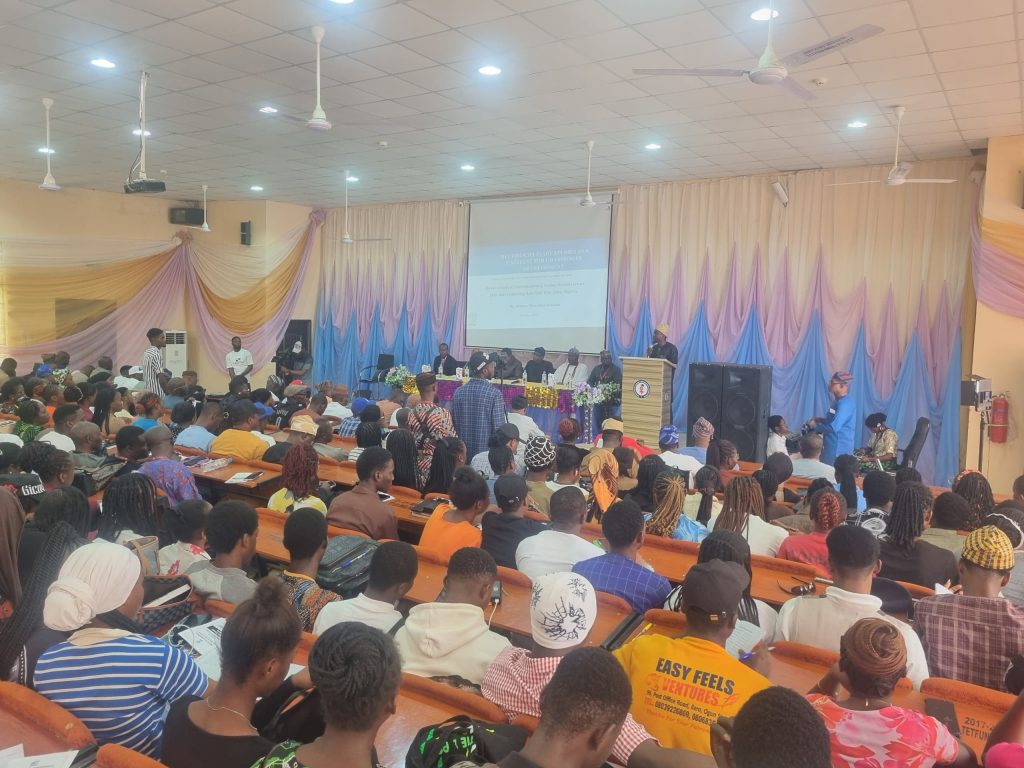
The lecture, held at the Twin Hall of EKSU, attracted traditional rulers, principal officers, deans, heads of departments, academics, students, industry leaders, media practitioners, and other guests. Participants described it as a significant step toward strengthening multidisciplinary education and advancing grassroots development through innovation and collaboration.
