
By Samuel Sunday

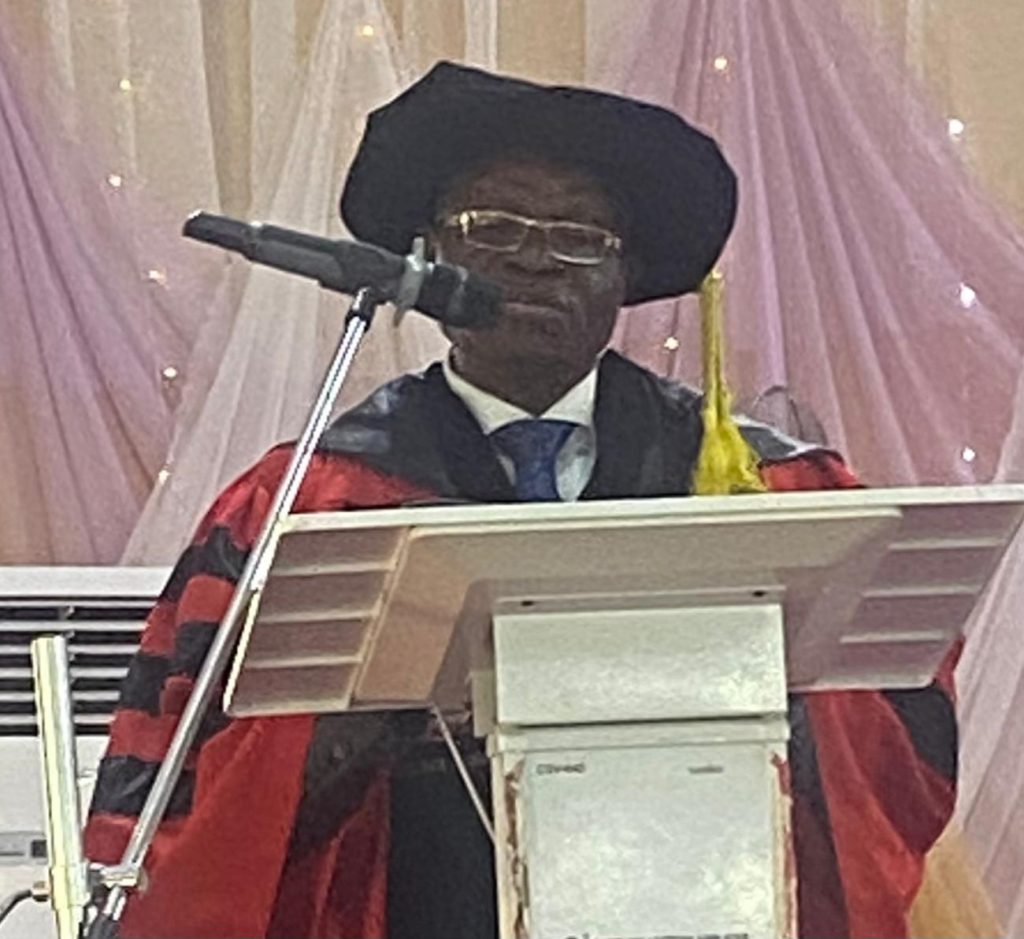
A Professor of Industrial Economics at Ekiti State University, EKSU, Prof. Edward Ogunleye, has warned that Nigeria’s economic policies and reforms have largely failed due to lack of political will and insufficient support for innovation.
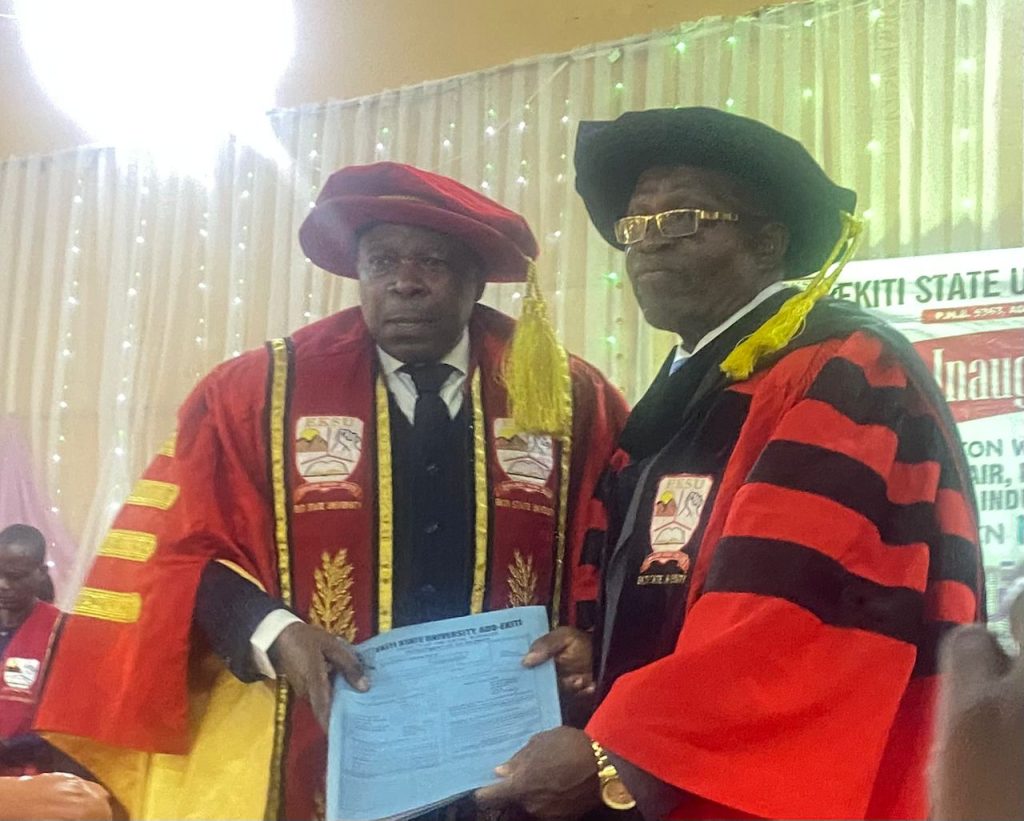
Delivering the university’s 103rd inaugural lecture titled “Motion without movement: funfair, failure and future of industrial policies in Nigeria,” Ogunleye described the country’s development path as one marked by continuous policy activity but little tangible progress, noting that while ideas are abundant, they are rarely funded or effectively implemented.
“Nigeria is not lacking in ideas; what we lack are individuals and institutions willing to fund and implement them,” he said.
Highlighting that innovation, championed by economist Joseph Schumpeter, has driven growth in many economies, Ogunleye stressed that Nigeria struggles to turn research into economic value.
He added, “Most of our discoveries end up in archives, and innovations developed in universities are rarely commercialised.”
The professor also criticised the nation’s culture of conspicuous consumption, warning that excessive spending on luxury goods at the expense of productive investment undermines sustainable development.
He said, “A nation that spends more on display than development cannot grow sustainably.”
Ogunleye described corruption as the most pressing challenge facing the economy, emphasizing that progress is impossible without tackling it.
He cited the long-standing challenges of the Ajaokuta Steel Mill as a prime example of policy failure, noting that the project has yet to achieve its objectives decades after its inception.
He also pointed to the disconnect between the banking sector and the real economy, explaining that high lending rates, sometimes reaching 30 percent, have hindered industrial growth, while inadequate infrastructure and unreliable power force many businesses to spend up to 30 percent of capital on alternative energy.
To address these issues, Ogunleye recommended stronger anti-corruption measures, increased funding for innovation, and a shift from consumption-driven behavior to investment-oriented practices.
He urged the government to establish dedicated innovation funds for transformative technologies, ensuring transparency and accountability.
Criticizing current political empowerment programmes as ineffective, he said, “Distributing items like grinding machines and wheelbarrows cannot lift people beyond subsistence. What we need is investment in innovations that generate sustainable income.”
He also advocated for regular academic trade fairs to connect researchers, investors, and policymakers.
Ogunleye cautioned that without strong political will, Nigeria is likely to continue experiencing policy activity without meaningful development.
Commenting on the lecture, the Vice-Chancellor of Ekiti State University, Prof. Joseph Ayodele, described it as intellectually stimulating and personally nostalgic, noting that it rekindled his interest in industrial economics.
He expressed optimism that implementing the recommendations could help Nigeria overcome its persistent economic challenges.
