
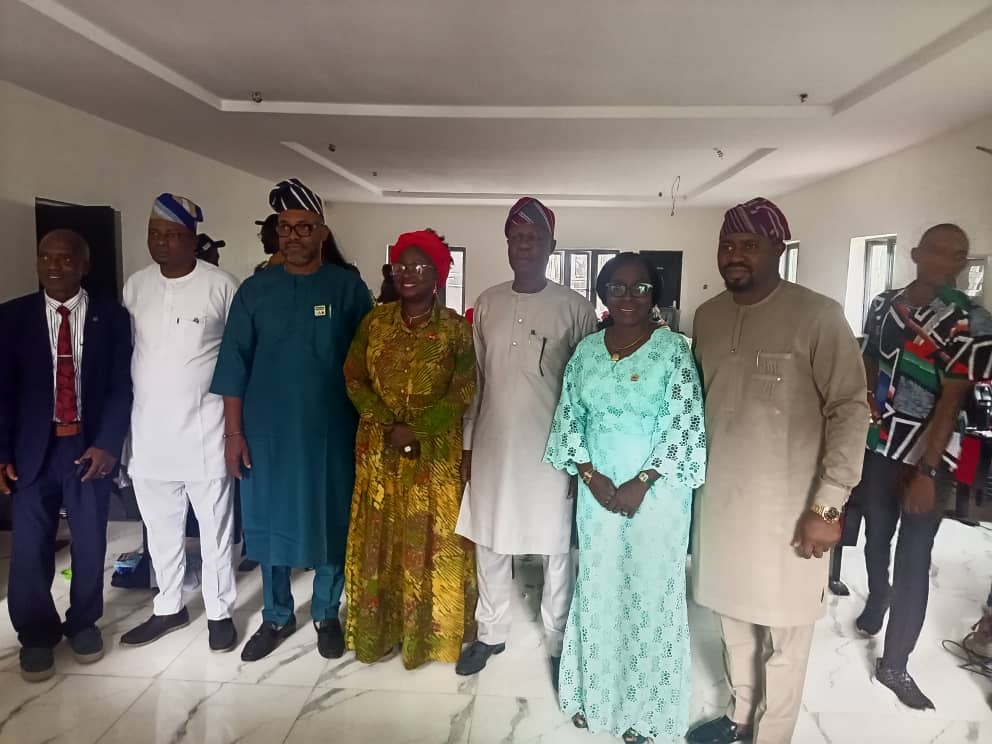
The Director-General, Bureau of Civic Orientation and Citizenship, BCOC, in Ekiti State, Mrs. Olawumi Famuyiwa, has called on all stakeholders to support government efforts aimed at addressing the persistent flooding challenges triggered by heavy rainstorms in the state.
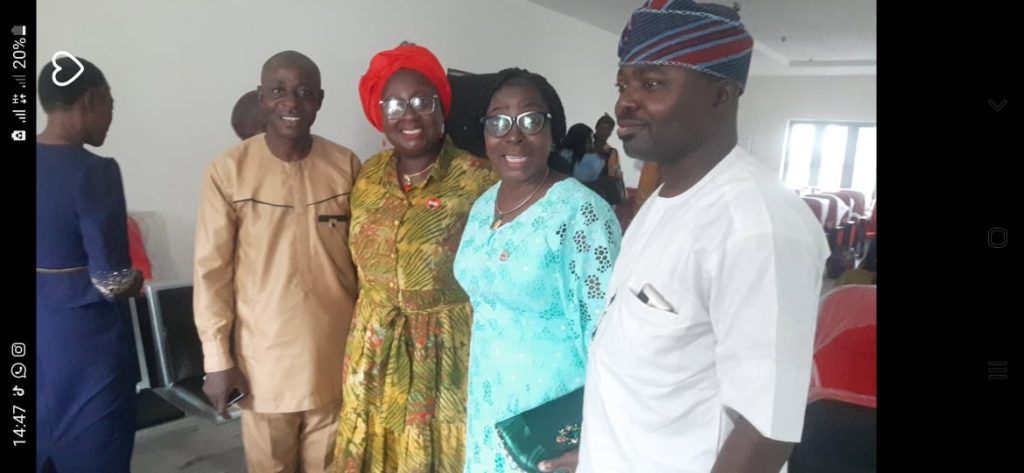
Mrs. Famuyiwa made the call during a public hearing at the Ekiti State House of Assembly chamber on Monday.

She said the devastation caused by rainfall in the state had been worsened by human activities, particularly indiscriminate waste disposal and the obstruction of drainage systems and waterways.
According to her, flooding that follows heavy rains is not only an environmental occurrence, but also a direct consequence of attitudes that encourage dumping of refuse into gutters, channels, and natural waterways.
“When water courses are blocked, rainwater cannot flow properly. This increases the risk of flood-related damage to lives and property,” she said.
The BCOC DG therefore urged residents to change their mindset and embrace responsible waste management practices to safeguard the environment and reduce the impact of flooding.
She stressed that tackling the menace requires the collective effort of government agencies, community leaders, civil society organisations, and residents.
In his opening remark, the Chairman of the House Committee on Environment, Hon. Iyabode Fakunle-Okieme, explained that the committee was set up to examine practical measures for mitigating the impacts of hazardous rainstorms and other environmental disasters in the state.
Hon. Fakunle-Okieme noted that the Speaker of the House, Rt. Hon. Stephen Aribasoye, had directed the committee on Environment to engage relevant Ministries, Departments and Agencies (MDAs), environmental experts, professional bodies, traditional institutions, community leaders, civil society organisations, and members of the public.
She said the purpose of the engagement is to develop practical and sustainable legislative and policy strategies to address environmental hazards such as recurring rainstorms, building collapses, erosion, flooding, and related threats to public safety.
