
By Ayodele Abere
The importance of the first one thousand days of a child’s life have been said to be the periods that present the first window of opportunity to invest in the child’s chance to survive, be healthy, learn and thrive.

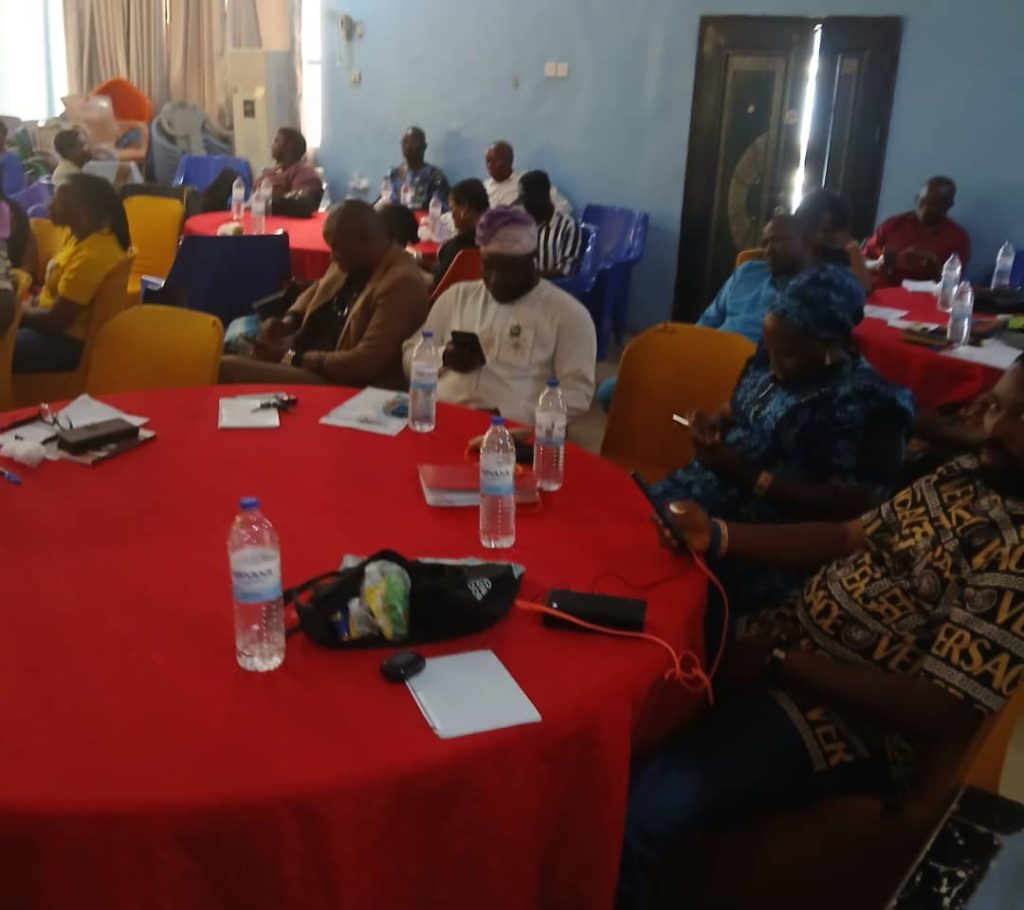
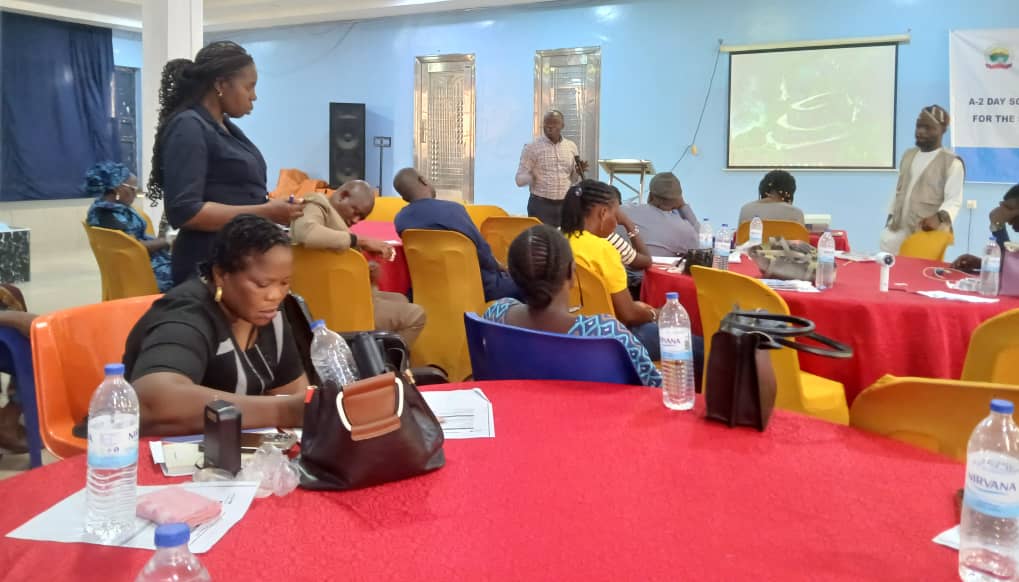
This was disclosed on Wednesday being the second day of Capacity Building Workshop organized by the Ekiti State Ministry of Information in conjunction with UNICEF. for Social Behaviour Change (SBC) Committee Members, on cross sectoral interventions for child survival and Development in Ekiti, held in Ado-Ekiti, the State capital.
Speaking with newsmen, the Ekiti State Nutrition Officer, State Primary Health Healthcare Development Agency, Dr. Bolanle Olorunyomi urged pregnant women and nursing mothers to improve their feeding habits during the critical first 1,000 days of a child’s life, warning that poor nutrition exposes babies to serious health risks.
She explained that the first 1,000 days from conception to age two determines a child’s growth, immunity, and overall development. She stressed that mothers must eat adequately before pregnancy, throughout pregnancy, and after childbirth.
Highlighting the importance of early initiation of breastfeeding to buttress this, Olorunyomi
explained that colostrum, the first thick milk, provides vital nutrients and immunity for child. She also emphasized the need for exclusive breastfeeding for the first six months and proper complementary feeding from six months to two years.
Cautioning pregnant women against long-held cultural myths that discourage eating snail, okro or any other draw soups, she pointed out that such beliefs have no scientific basis. According to her, avoiding these foods deprives mothers and unborn babies of essential nutrients needed for healthy development.
Speaking on the dangers of nutrient deficiency, the expert explained that lack of fruits, vegetables, and folic-acid-rich foods can lead to conditions such as spina bifida, a neural tube defect caused by improper spinal development in the womb.
She further cautioned parents against giving children overly processed, colorful foods, Dr. Olorunyomi said adopting healthier feeding habits is key to reducing malnutrition and improving child health across Ekiti communities.
