By Ayodele Abere
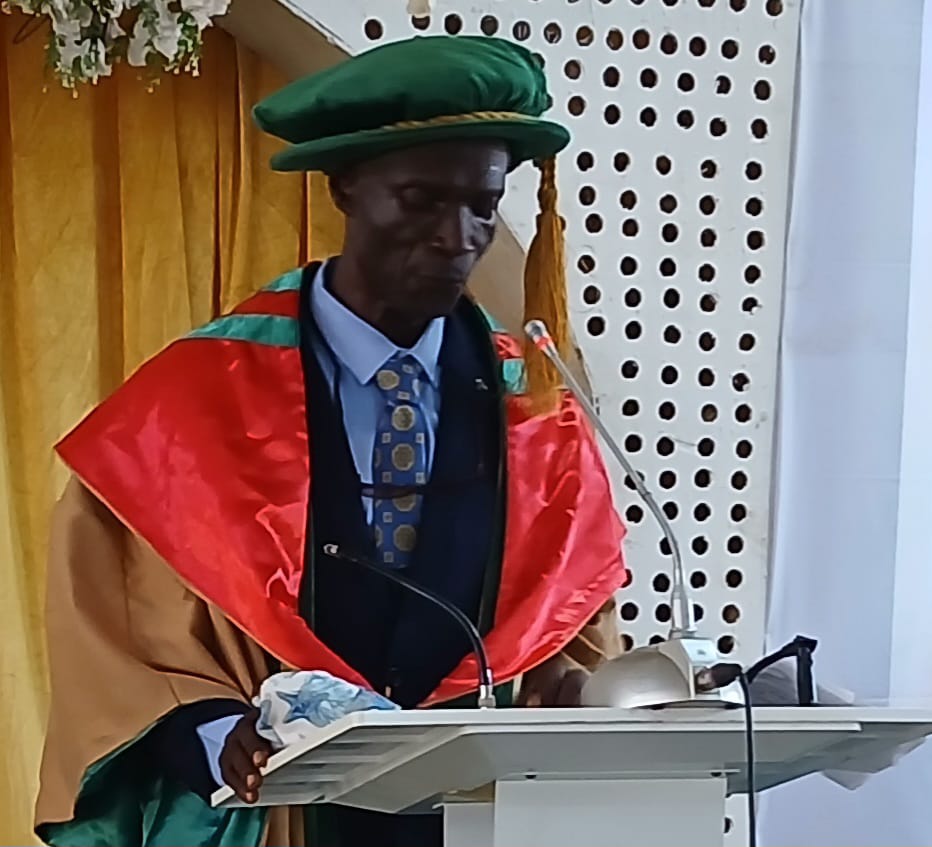
Professor Temitope Tiamiyu Alade, a Professor of Human Kinetics and Health Education at Bamidele Olumilua University of Education, Science and Technology (BOUESTI), Ikere-Ekiti, has urged Nigerians to return to healthier traditional eating habits and embrace regular physical exercise, saying a healthy population remains the foundation for a productive and prosperous nation.

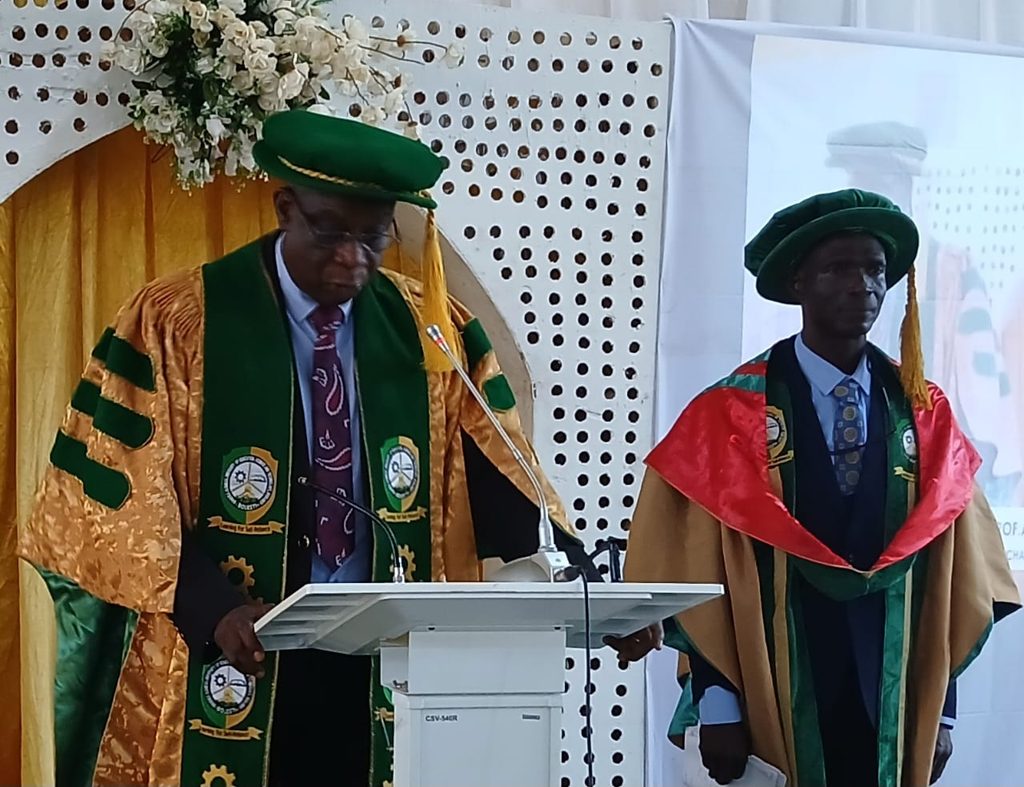
The Vice Chancellor presenting the inaugural lecturer
Alade made the call on Wednesday while delivering the 10th inaugural lecture of the University at the main campus of the Institution, titled “Healthy People, Healthy Nation: Issues of Lifestyle and National Productivity.”
Alade said the growing pressure, stress and challenges confronting people in modern society make healthy living more important than ever. He explained that individuals must consciously examine their daily lifestyles, particularly their eating habits, level of physical activity, sleeping patterns and relationships with others.
According to the Don, lifestyle plays a major role in determining whether an individual can remain healthy and contribute meaningfully to national development. He stressed that a person who is physically and mentally healthy is better positioned to work effectively, make sound decisions and contribute positively to the growth of the nation.
The professor therefore called on Nigerians to reduce their dependence on processed foods and embrace balanced diets containing fruits, vegetables, whole grains and lean proteins. He noted that returning to healthier food practices common in earlier generations could help improve the wellbeing of individuals and reduce lifestyle-related health challenges.
He also urged Nigerians to make regular exercise part of their daily routine, recommending at least 150 minutes of moderate physical activity every week. Alade said exercise does not only improve physical fitness but also supports mental wellbeing, reduces stress and enhances an individual’s ability to remain productive.
The inaugural lecturer further stressed the importance of adequate sleep and rest, advising individuals to maintain between seven and nine hours of quality sleep each night. He explained that sufficient rest is necessary for maintaining physical and mental performance, warning that persistent sleep deprivation could affect productivity and general wellbeing.

Alade also called for greater attention to mental health and stress management through counselling services, awareness campaigns and workplace wellness programmes. He urged government, educational institutions and private organisations to create environments that encourage healthy lifestyles and make it easier for people to adopt positive health behaviours.
He described health education as a critical tool for achieving a healthier society, saying health educators serve as agents of behavioural change by equipping individuals and communities with the knowledge, attitudes and skills needed to make informed health decisions. He also advocated the increased use of Information and Communication Technology in teaching Health Education, saying digital platforms could improve access to health information and make learning more effective.
The professor called for stronger collaboration among government, educational institutions, healthcare providers, private organisations, the media, traditional rulers, religious leaders and communities to promote healthy living. He also recommended supportive policies covering nutrition standards, food labelling, sanitation, clean water, recreational facilities, safe walking routes and other measures capable of creating an environment that supports healthy choices.

In his own remark, the Vice-Chancellor of the Institution, Professor Andrew Babatunde Omojola, described the lecture as timely and relevant, saying, “If we are not healthy as a people, we are not a healthy nation.” He urged policymakers and stakeholders in the health sector to act on the recommendations of the inaugural lecturer, while encouraging students to appreciate the importance of Human Kinetics and physical activity.
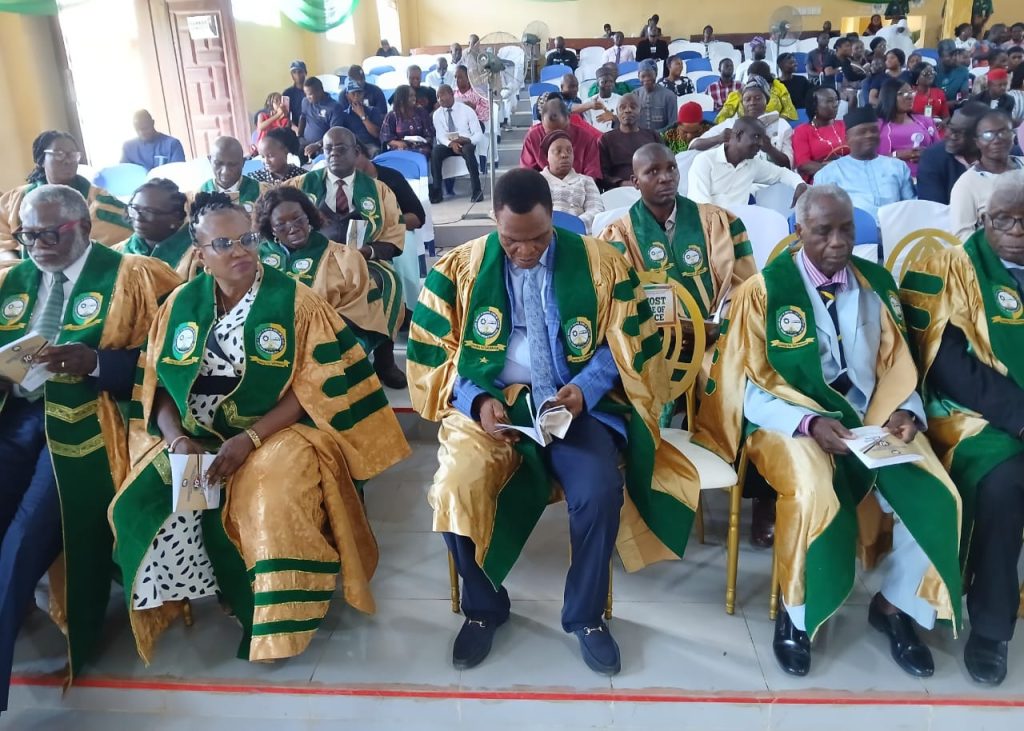
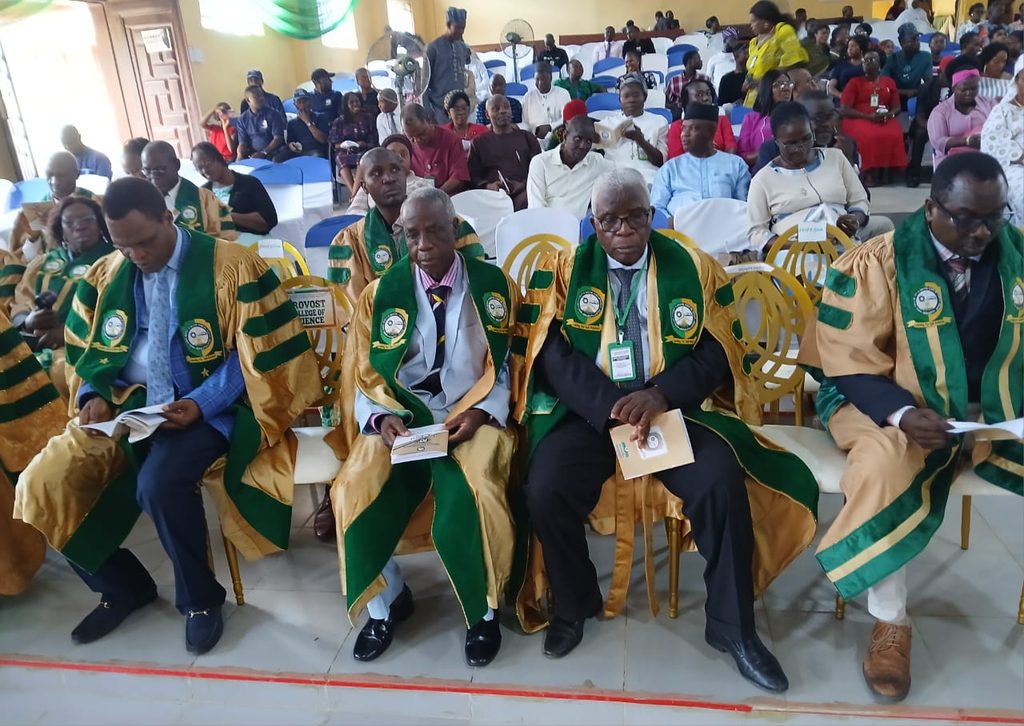
The lecture attracted university officials, academics, traditional rulers, religious leaders and other dignitaries who gathered to witness the university’s 10th inaugural lecture and its call for a healthier and more productive Nigeria.