
The Ekiti State Executive Council has approved over N3.6 billion for critical infrastructure projects and key policy initiatives aimed at strengthening governance, improving service delivery and accelerating socio-economic development across the state.
The decisions were taken at the Sixth Executive Council Meeting for 2026 held on Tuesday, August 18, 2026, at the Executive Council Chamber, New Governor’s Office, Ado-Ekiti.

Briefing journalists after the meeting, the Commissioner for Information, Rt. Hon. Taiwo Olatunbosun, said Council considered memoranda covering traditional institution, civil service reform, digital infrastructure, health, judiciary, security and inclusive governance.
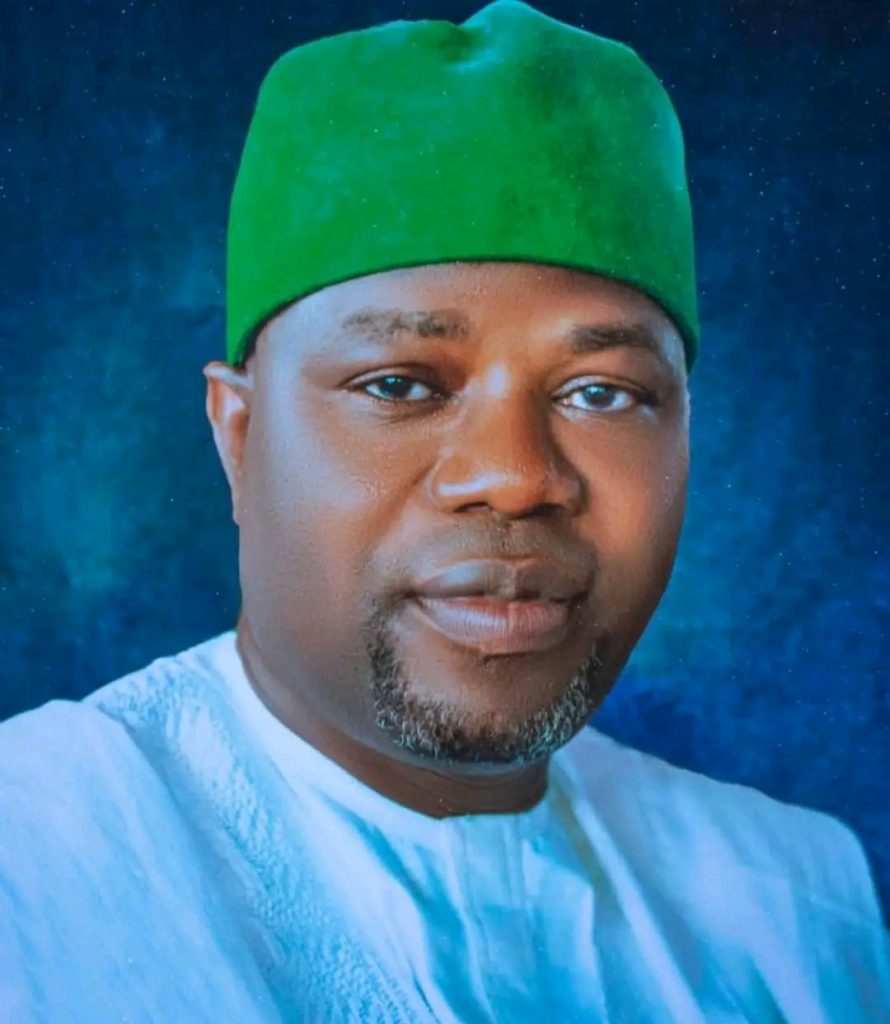
Council approved the appointment of Prince Bamidele Olanrewaju Oni as the new Owa of Oke-Ako Ekiti in Ikole Local Government Area, ending a vacancy on the stool that has persisted since 2000.
According to the Commissioner, the appointment followed a Supreme Court judgment of December 19, 2025, which affirmed that all male members of the three stocks in the Aofin Ruling House were eligible to contest.
A Memorandum of Understanding among stakeholders ceded the current vacancy to the Oke-Aofin stock, which has never produced an Owa. Prince Oni, 51, emerged as the unanimous choice of the four participating kingmakers after due traditional processes, including Ifa divination.
Council also authorized the publication of the Legal Notice of his appointment in the Ekiti State Government Gazette.
In a move to align with national standards, Council approved the re-designation of the Registered Builders (Building Officer) Cadre to Builders Cadre in the State Public Service. The new structure provides a career path from Builder II, GL 08, to Director, GL 16.
In furtherance of inclusive governance, Council approved the immediate employment of 30 Persons with Disabilities, PWDs, into the State Public Service. It also directed strict implementation of the 5% employment quota for PWDs as stipulated in the Ekiti State Disability Law in all future recruitments.
To strengthen e-governance, Council approved N145,087,240.00 for the overhauling and extension of the State Enterprise Broadband Network Infrastructure across MDAs. The project will interconnect government offices with 96-core fibre optic cables to improve internet and intranet services.
Council also adopted the report of the EXCO Committee on Fibre Infrastructure and approved the deployment of an additional 160 kilometres of metro/backbone fibre optic infrastructure by the end of 2026. This is to meet the SABER/BERAP benchmark and position the state to benefit from the Federal Government’s Project BRIDGE initiative.
To facilitate the take-off of the newly constructed 80-bed multipurpose building at the Ekiti State University Teaching Hospital, EKSUTH, Council approved N194,666,414.78 for the supply and installation of transformers and electrical accessories. The project has a one-month completion period and will be executed by the Ekiti State Electricity Board through direct labour.
Council also approved N142,690,760.30 for the construction of a sump to provide reliable water supply to the same hospital complex. The project, to be executed by the Ekiti State Water Corporation, has a three-month timeline.
In a major boost for the justice sector, Council approved N3,005,598,300.00 for the construction of a new High Court Office Complex within the High Court of Justice premises in Ado-Ekiti. The project, with an 18-month completion period, became necessary following the appointment of five additional High Court Judges.
To improve security and aesthetics around key government facilities, Council approved N121,451,629.50 for the installation of solar-powered streetlights at the Governor’s Lodge, Presidential Lodge, Funmilayo Adunni Olayinka Women Development Centre and the entrance to the Governor’s Office. The Ekiti State Electricity Board will execute the project within three months through direct labour.
The Commissioner said the approvals reflect the Biodun Oyebanji administration’s commitment to infrastructure development, institutional capacity, digital transformation, inclusive governance and improved welfare for citizens.
