
By Samuel Sunday
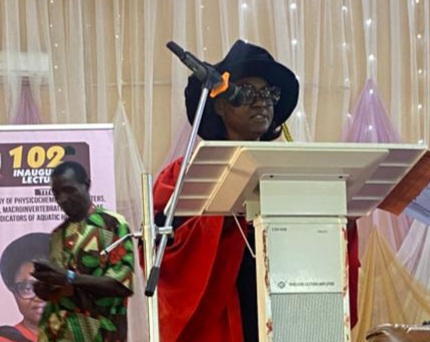
A Professor of Ecology and Environmental Biology at the Department of Zoology and Environmental Biology, Ekiti State University, EKSU, Prof. Josephine Edward, has called for immediate and coordinated efforts to protect inland water ecosystems, stressing the need for sustainable management practices.

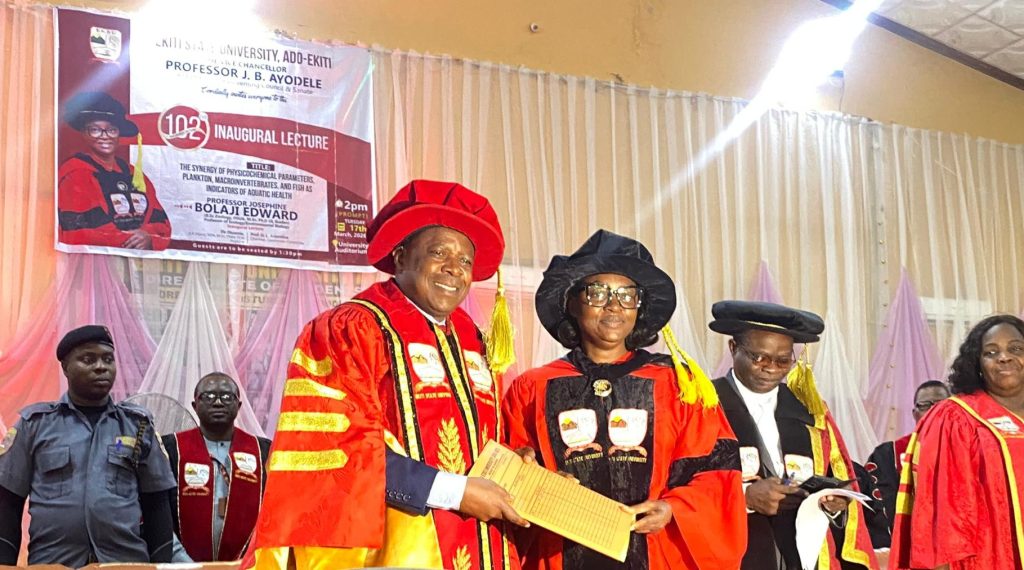
She made this appeal while delivering the university’s 102nd inaugural lecture titled “The Synergy of Physicochemical Parameters, Plankton, Macroinvertebrates and Fish as Indicators of Aquatic Health.”
In her presentation, she emphasized the strong connection between water quality, biodiversity, and human wellbeing.
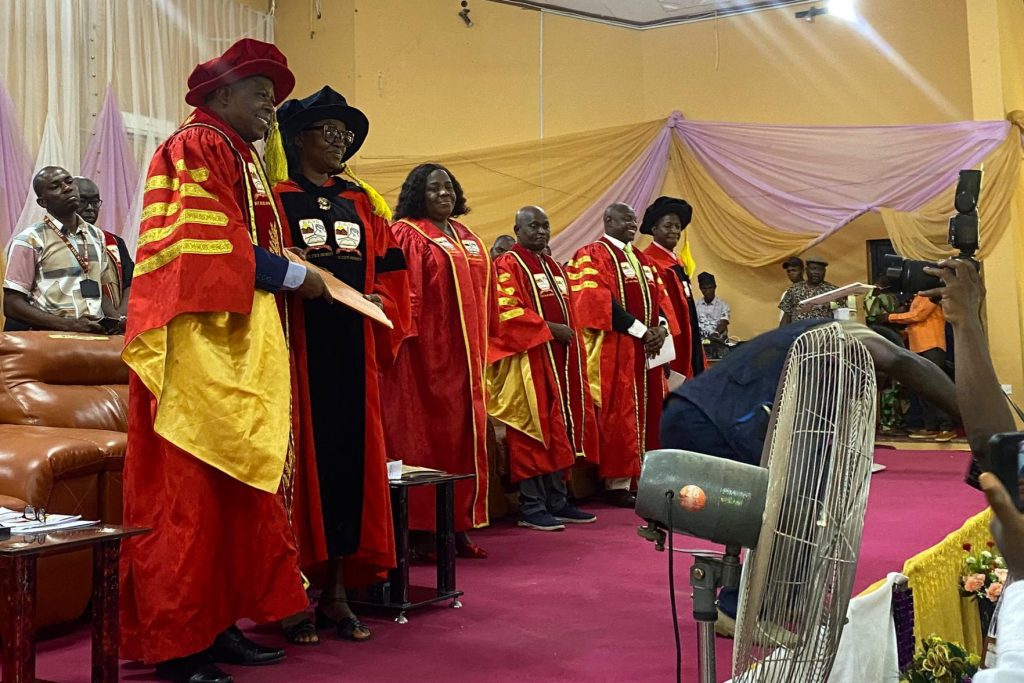
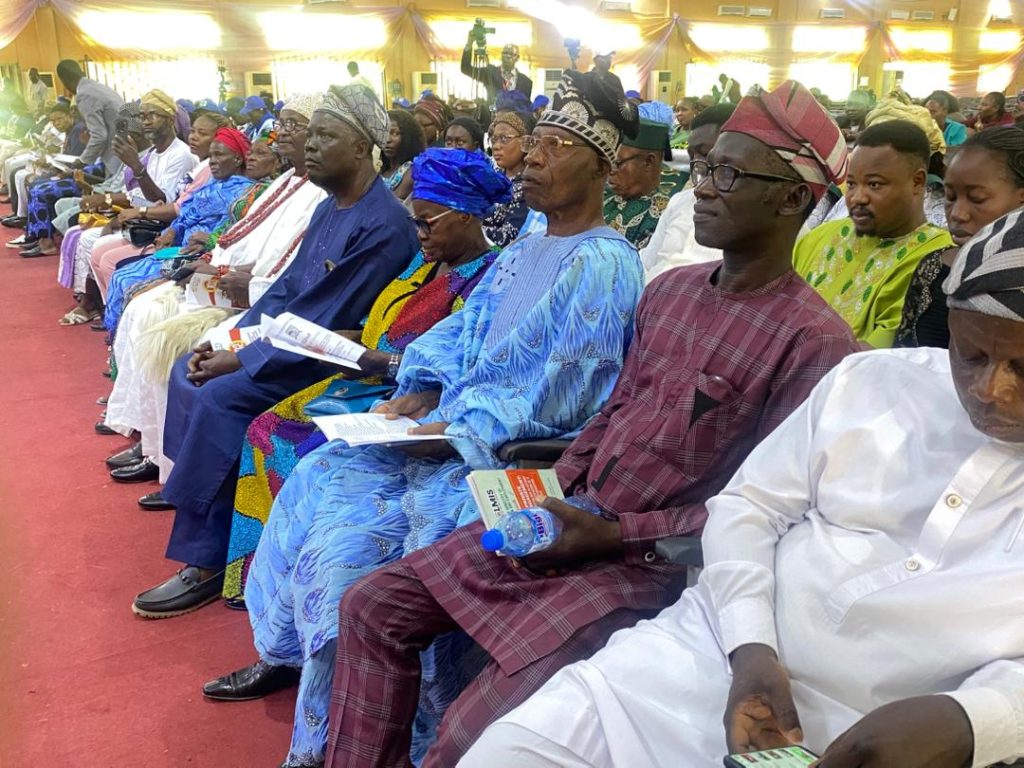
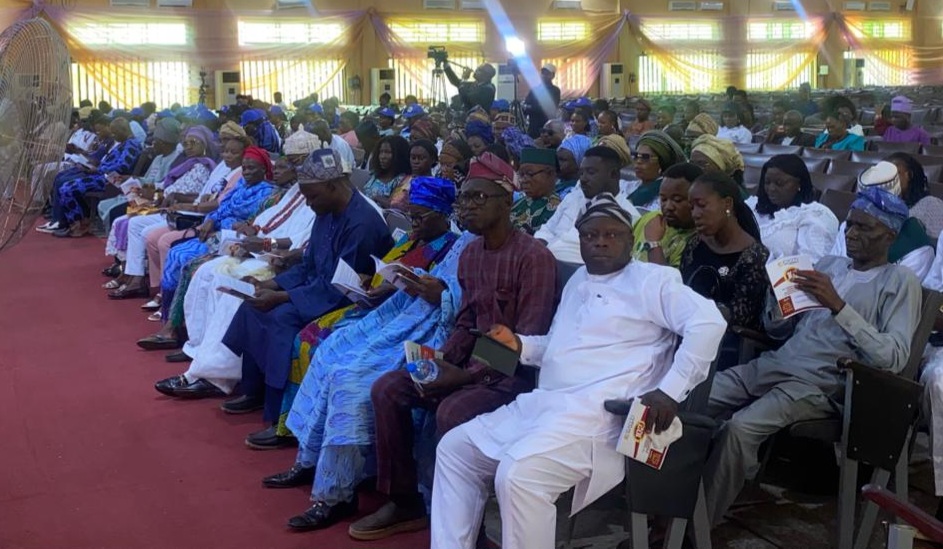
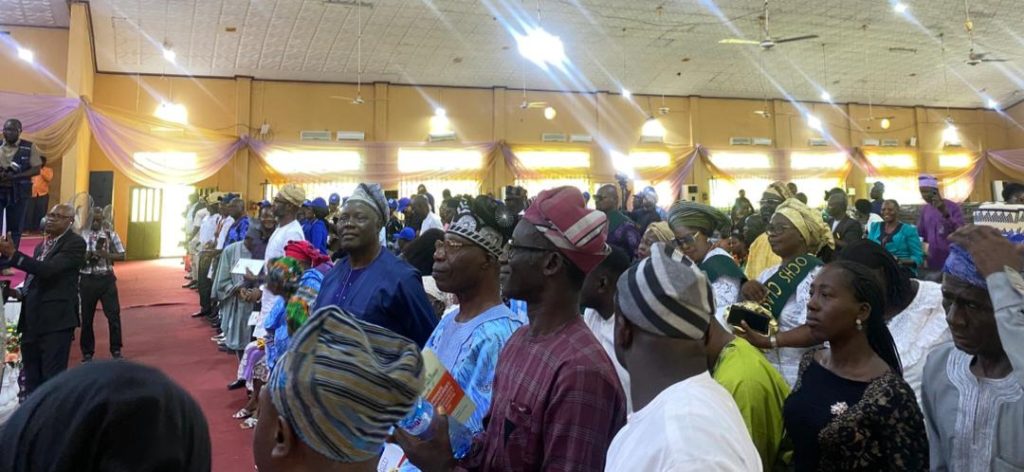
The lecture, held at the university auditorium, examined important water bodies such as the Elemi River, Ureje Reservoir, and River Ogbese, describing them as essential ecological and economic resources for Ekiti State.
In her concluding remarks, Prof. Edward underscored that water should not be viewed merely as a basic necessity but as a complex, life-sustaining ecosystem. She noted that rivers, wetlands, streams, and reservoirs play a crucial role in supporting life and human development.
Drawing on research conducted within Ekiti State and across Nigeria, she explained that the condition of aquatic ecosystems has a direct impact on human health and livelihoods.
She added that healthy water systems promote biodiversity and improve fish production when effectively managed, thereby benefiting both local communities and institutions.
Prof. Edward further advocated for a comprehensive approach to assessing water quality, combining physicochemical analysis with biological indicators such as plankton, macroinvertebrates, and fish species.
She identified organisms like Ephemeroptera, Plecoptera, and Trichoptera as key indicators of environmental health.
Among her recommendations were stricter pollution control measures, adoption of environmentally friendly agricultural practices, creation of riparian buffer zones, and community-led watershed management, particularly for water bodies like the Egbe Reservoir.
She also emphasized the need to restore degraded habitats such as the Odo Ayo River and to protect important fish species including Clarias gariepinus and Tilapia zillii.
In a thought-provoking conclusion, she urged stakeholders to move beyond awareness and take meaningful action.
According to her, addressing environmental challenges now requires science-based policies, active community involvement, and a collective commitment to preserving aquatic ecosystems for future generations.
In his remarks, the Vice-Chancellor of Ekiti State University, Prof. Joseph Ayodele, commended Prof. Edward for her academic achievements and contributions to the university.
He highlighted her research, leadership, and dedication, describing her career as exemplary and impactful.
