
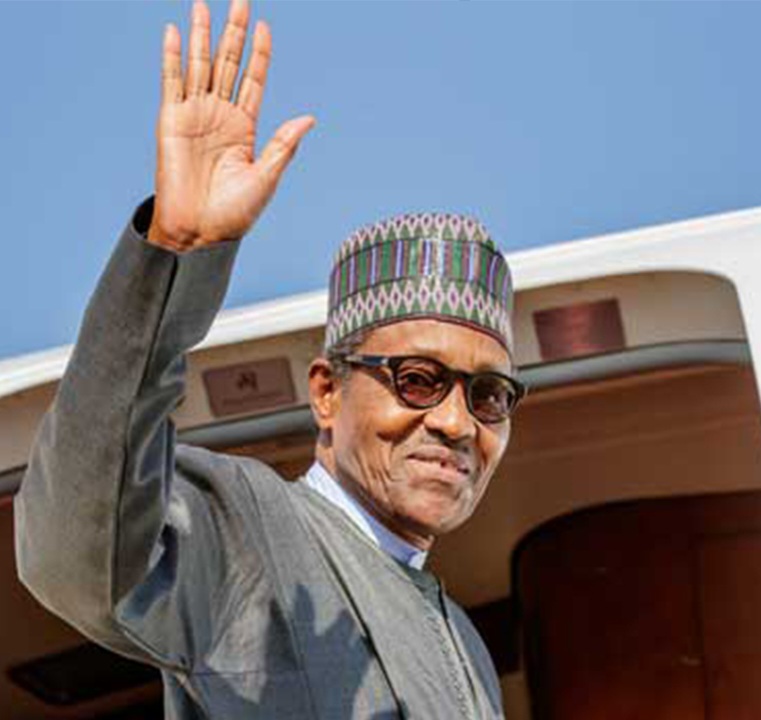
The death of former Nigerian President Muhammadu Buhari on July 13, 2025, in a London clinic, has thrown the nation into mourning.

Buhari, an important personality in Nigeria’s military and democratic history, left behind a legacy that shaped modern Nigeria in many ways.
Here are seven important things to know about the late former president:
- Early Life and Military Journey
Muhammadu Buhari was born on December 17, 1942, in Daura, Katsina State. After losing his father early in life, he was raised by his mother. He joined the Nigerian Army in 1962 and trained both locally and abroad. Rising to the rank of Major General, he held several key military positions, including Governor of the then North Eastern State (now Borno). - Role in Military Coups and Leadership as Head of State
Buhari was involved in various military coups that shaped Nigeria’s political landscape. He became Nigeria’s military Head of State on December 31, 1983, after toppling the civilian government. His regime was known for the “War Against Indiscipline,” anti-corruption efforts, and tough economic measures, but it also drew criticism for human rights violations and media clampdowns. - Detention and Return to Politics
Following his overthrow in 1985 by General Ibrahim Babangida, Buhari was detained for about three years. After Nigeria returned to democracy in 1999, he contested for president under different parties in 2003, 2007, and 2011 but lost each time. His persistence in politics eventually paid off in 2015. - Historic Democratic Victory in 2015
In 2015, Buhari made history as the first opposition candidate to defeat an incumbent president, Goodluck Jonathan. He was re-elected in 2019, serving two terms between 2015 and 2023. His victory symbolised a major shift in Nigeria’s democratic journey. - Focus on Infrastructure and Economy
His administration undertook several major infrastructure projects, including construction of roads, railways, and airports. He also pushed reforms in key sectors like oil, gas, and power. His government was credited with launching Nigeria’s most ambitious infrastructure drive since independence. - Security and Insurgency Battles
Buhari gave priority to the fight against Boko Haram and other security threats across the country. While some gains were recorded, Nigeria continued to struggle with banditry, kidnapping, and other forms of violence during his administration. - Health, Criticisms, and Death
His health was a recurring issue throughout his presidency, with several long stays abroad for medical treatment, especially in the UK. These absences led to public speculation and debate. He passed away on July 13, 2025, at the age of 82, and his death was confirmed by his former media aide, Garba Shehu.
President Buhari’s life reflected Nigeria’s complex journey through military rule, democracy, and development. His contributions and controversies will remain subjects of national discourse for years to come.
